📑 Table of Contents
- Best Cancer Hospitals in India: A Complete Guide to Choosing the Right Oncology Centre
- Why India Has Become a Global Hub for Cancer Treatment
- What Actually Makes a Cancer Hospital
- Quick Comparison: Top Cancer Hospitals in India at a Glance
- Cancer Types and the Hospitals Known for Treating Them
- What to Expect: The Typical Patient Journey
- Insurance, Payment, and Financial Planning
- Red Flags to Watch For When Choosing a Cancer Hospital
- Frequently Asked Questions
- Understanding Cancer Treatment Costs in India
- A Practical Framework for Choosing Your Hospital
- Frequently Asked Questions
- A Final Pre-Decision Checklist
Best Cancer Hospitals in India: A Complete Guide to Choosing the Right Oncology Centre
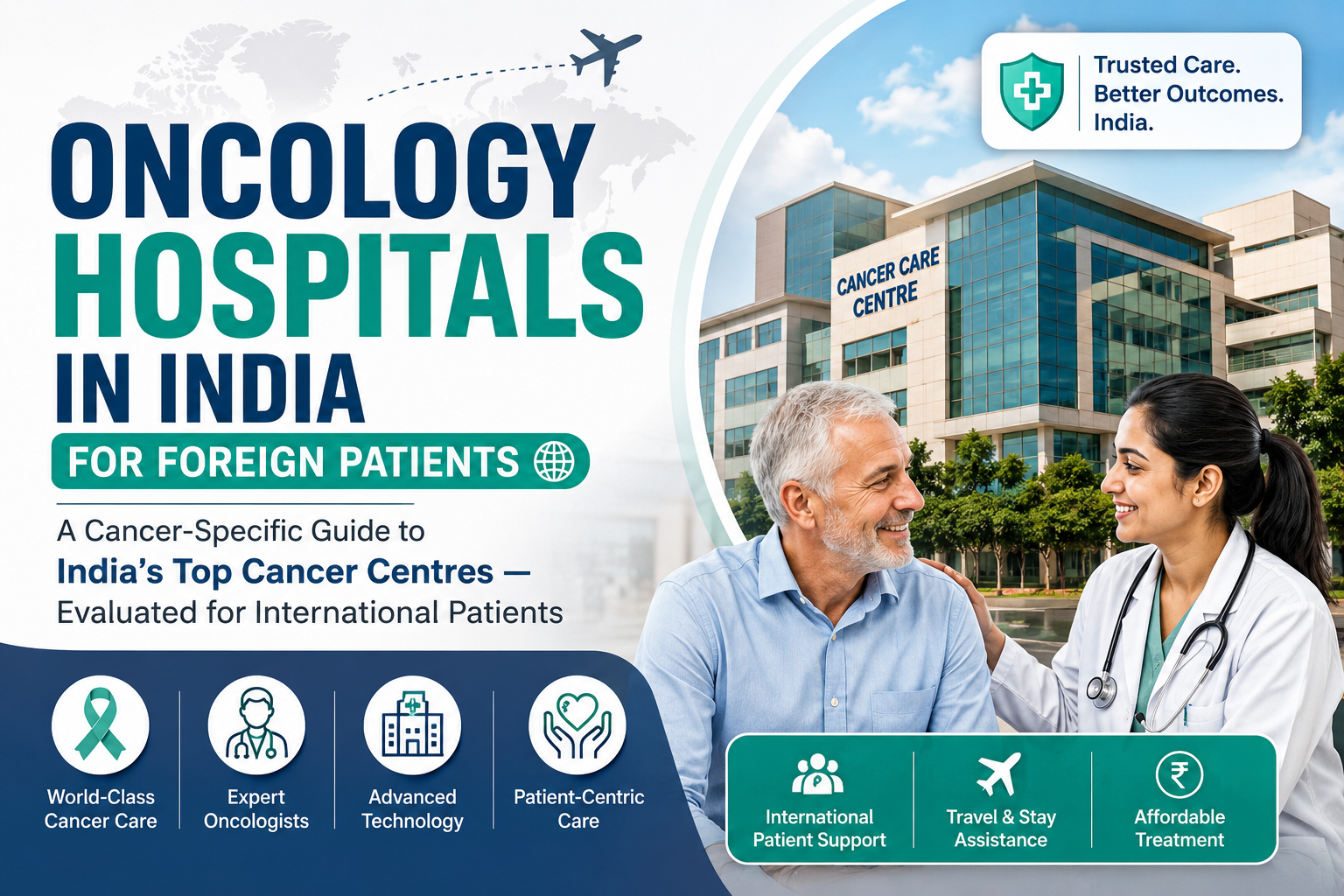
A cancer diagnosis changes everything in an instant. Along with the emotional weight of the news comes a long list of practical decisions — and one of the biggest is where to get treated. India has quietly become one of the world's most trusted destinations for cancer care, drawing patients not only from every state but from more than a hundred countries. The reasons are straightforward: internationally accredited hospitals, oncologists trained at leading global institutions, access to the latest treatment technologies, and costs that are a fraction of what the same care would cost in the United States, the United Kingdom, or the Gulf.
But "best" is not a one-size-fits-all label. The right cancer hospital for a patient with early-stage breast cancer in Mumbai may not be the right one for a child with leukemia in Delhi, or a patient seeking proton therapy for a brain tumour. This guide walks through what actually makes a cancer hospital excellent, profiles the institutions that consistently appear at the top of national and international rankings, and gives you a practical framework for making this decision for yourself or a loved one.
Why India Has Become a Global Hub for Cancer Treatment
India’s cancer care infrastructure has seen phenomenal growth in the last two decades. Government institutions such as Tata Memorial Hospital and AIIMS have built decades of clinical experience and research output, while private hospital chains like Apollo, Max Healthcare, Fortis, Medanta, and HCG have invested heavily in cutting-edge technology — proton beam therapy, CyberKnife radiosurgery, robotic surgical systems, CAR-T cell therapy, and genomic profiling for precision oncology.
A few factors explain why patients increasingly consider India for cancer treatment:
- Advanced technology on a broad scale. Some of the region’s only proton therapy centres are located in India, with PET-CT imaging, 3-Tesla MRI, liquid biopsy and next-generation radiotherapy platforms such as TrueBeam and Radixact available widely.
- Specialists with international training. Most senior oncologists in India have trained or done fellowships at leading cancer centres in the US, UK, Germany and elsewhere and bring back those protocols home.
- Multidisciplinary tumor boards The best hospitals treat cancer as a team sport: surgical oncologists, medical oncologists, radiation oncologists, pathologists and radiologists all review each case together before deciding on a treatment plan. This reduces individual bias and improves outcomes.
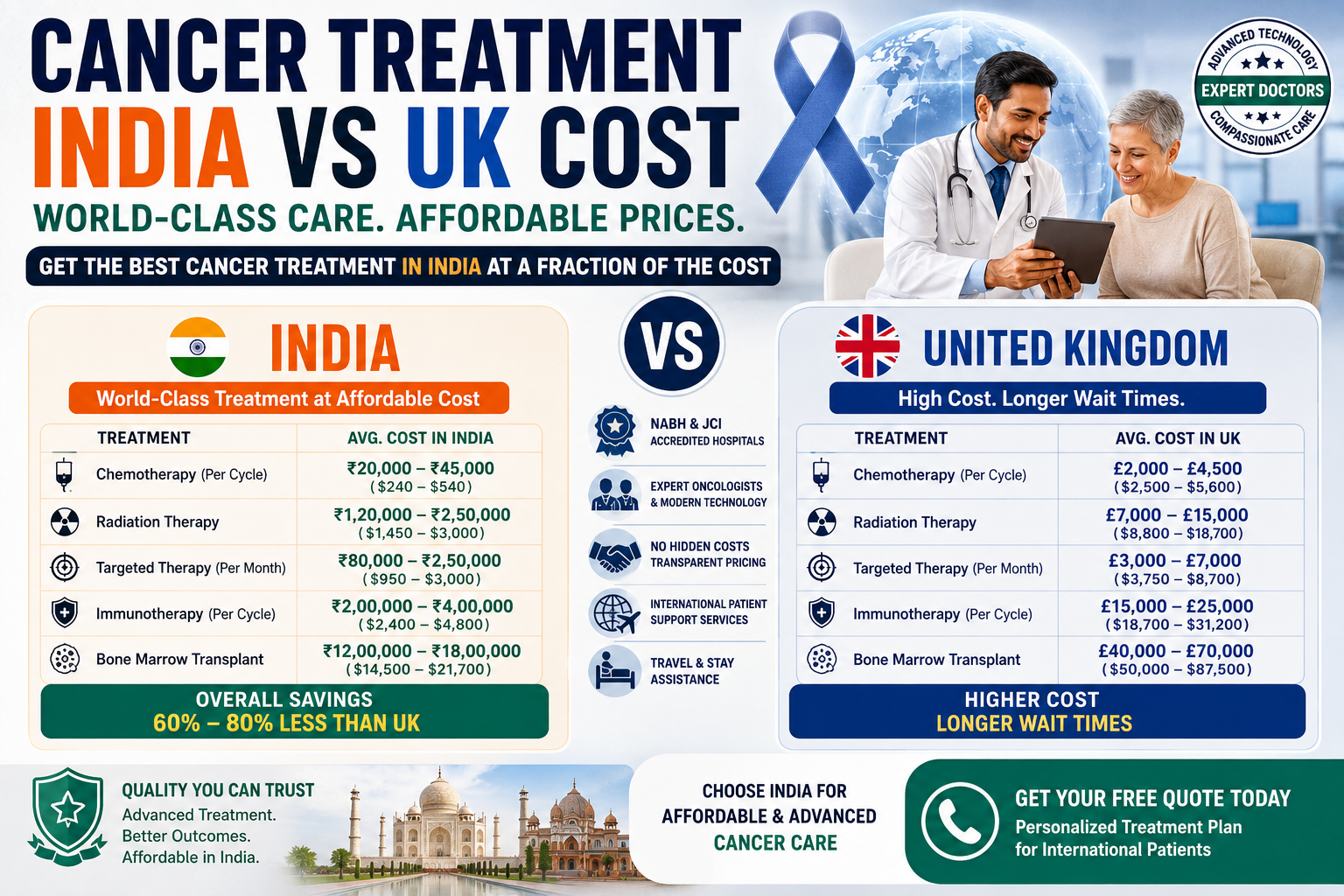
- Huge savings on expenses. In India, the cost of treatment is generally 60–80% lower than in Western countries for similar procedures with no comparable drop in quality of care at accredited centres.
- international patient support system. Most major hospitals now have dedicated international patient departments that handle everything from medical visas to interpreters to airport transfers.
That's not to say that every hospital in the country provides the same level of care--which is why accreditation and track record are so important when narrowing down your choices.
What Actually Makes a Cancer Hospital
Before looking at specific institutions, it helps to understand the criteria that separate a genuinely excellent cancer centre from an average multi-specialty hospital that happens to treat cancer patients.
1. Accreditation and Quality Certification
Look for hospitals accredited by the National Accreditation Board for Hospitals and Healthcare Providers (NABH) and, ideally, Joint Commission International (JCI) — the global benchmark for patient safety and clinical governance. Laboratory-specific accreditation from the National Accreditation Board for Testing and Calibration Laboratories (NABL) or College of American Pathologists (CAP) certification adds further confidence, particularly for biopsy results and genomic testing, since it means diagnostic reports are produced to the same standard used at leading international cancer centres. These certifications aren't guarantees of a cure, but they are strong indicators that a hospital follows audited, internationally benchmarked protocols for infection control, medication safety, and emergency response.
2. Multidisciplinary Tumour Boards
Cancer treatment decisions are rarely simple, and the best hospitals don't leave them to a single doctor. A tumour board — a panel of medical, surgical, and radiation oncologists along with pathologists and radiologists — reviews complex cases together. This collaborative model consistently produces more balanced, evidence-based treatment recommendations than a single-specialist opinion.
3. Treatment Technology and Infrastructure
Modern oncology depends heavily on the equipment available. When evaluating a hospital, it's worth checking whether it offers:
- Proton beam therapy (available at only a handful of centres in South Asia)
- CyberKnife or TrueBeam radiosurgery for highly targeted radiation
- Robotic-assisted surgery (such as the da Vinci system) for minimally invasive tumour removal
- PET-CT and 3-Tesla MRI for precise staging and diagnosis
- Genomic and molecular testing panels to guide targeted therapy and immunotherapy decisions
- Dedicated bone marrow transplant (BMT) units for blood cancers
- CAR-T cell therapy programmes for select blood cancers
4. Volume and Specialisation
Hospitals that treat large numbers of a particular cancer type tend to develop deeper expertise in managing its complications and nuances. A centre that performs thousands of breast cancer surgeries a year will typically have more refined protocols than one that sees a handful of cases annually. It's worth asking any shortlisted hospital about its patient volume for your specific cancer type.
5. Research, Academic Programmes, and Clinical Trial Access
Hospitals actively engaged in oncology research and training — running fellowship and DrNB (Doctorate of National Board) programmes, for instance — tend to keep their clinical protocols aligned with the latest global evidence. Access to ongoing clinical trials can also open doors to newer therapies for patients who haven't responded to standard treatment.
6. Supportive and Palliative Care
Cancer treatment isn't only about surgery, chemotherapy, and radiation. The best centres also invest in psycho-oncology support, nutrition counselling, pain management, and palliative care — services that materially affect a patient's quality of life during and after treatment.
7. Cost Transparency
Even at India's most advanced hospitals, treatment costs are considerably lower than in Western countries, but they still vary widely depending on cancer type, stage, treatment duration, and room category. A hospital worth choosing will provide a clear cost estimate upfront rather than vague ranges, and will flag any additional charges — such as surcharges that sometimes apply for foreign nationals — before treatment begins.
Top Cancer Hospitals in India: A Closer Look
Based on accreditation status, technology, specialisation, research output, and patient volume, the following hospitals are consistently recognised among India's leading cancer care centres.
1. Tata Memorial Hospital, Mumbai
Tata Memorial Hospital, established in 1941, is one of India's oldest and most respected cancer institutions and remains the flagship centre of the Tata Memorial Centre network. As a government-run institution affiliated with the Indian Council of Medical Research (ICMR) and recognised by the World Health Organization, it combines an enormous patient volume with a strong research and training pipeline. Costs here are highly subsidised, making it one of the most affordable serious-cancer-care options in the country, though this often comes with longer waiting times given the sheer demand.
Known for: Comprehensive cancer care across nearly every tumour type, strong academic and research output, and decades of accumulated clinical experience.
2. All India Institute of Medical Sciences (AIIMS), New Delhi
AIIMS New Delhi's oncology department is one of the most research-driven cancer programmes in the country, combining highly experienced specialists in radiation and surgical oncology with government subsidisation that keeps costs 50–70% lower than comparable private hospitals. As with Tata Memorial, the trade-off for affordable, high-quality care is typically a longer appointment and treatment timeline due to patient volume.
Known for: Research-led treatment protocols, subsidised care, and specialist expertise across a wide range of cancers.
3. Apollo Cancer Centres (Chennai and Network-Wide)
Apollo operates one of India's largest hospital networks, and its cancer centres are anchored by the Apollo Proton Cancer Centre in Chennai — the only proton therapy facility in South Asia. Proton therapy allows radiation to be deposited with far greater precision than conventional methods, sparing healthy tissue near the tumour — a significant advantage for cancers near the brain stem, spinal cord, optic nerve, or heart. Apollo's cancer centres hold JCI accreditation and operate within a network of more than 70 hospitals, giving patients access to standardised protocols and coordinated multi-organ care when cancer treatment overlaps with other health conditions.
Known for: Proton beam therapy, JCI accreditation, robotic surgery, and a large international patient base.
4. Rajiv Gandhi Cancer Institute and Research Centre (RGCIRC), New Delhi
Founded in 1996 as a non-profit, dedicated cancer care centre, RGCIRC treats roughly 60,000 patients a year and has been recognised among the world's best specialised oncology hospitals by Newsweek and Statista. It holds NABH, NABL, and JCI accreditation and offers advanced radiation therapy alongside a strong focus on individualised treatment planning. Being a dedicated cancer hospital rather than a general multi-specialty one, its costs sit between the subsidised government centres and India's premium private hospitals.
Known for: Being a purpose-built, non-profit cancer institute with strong outcomes data and international accreditation.
5. Max Institute of Cancer Care (MICC), Max Healthcare — Saket, Delhi
The flagship cancer centre of the Max Healthcare network, Max Saket holds JCI accreditation alongside NABH and NABL certifications and appears regularly in Newsweek's hospital rankings. Its multidisciplinary tumour board model brings surgical, medical, and radiation oncologists together for every case, and the hospital runs dedicated tumour-specific programmes for breast, colorectal, lung, head and neck, hepato-pancreato-biliary, gynaecological, and blood cancers. Sister campuses — BLK-Max, Nanavati Max in Mumbai, and Max Shalimar Bagh — extend this model across cities, with Nanavati Max bringing over six decades of clinical history to the network.
Known for: JCI-accredited, tumour-specific programmes, robotic surgery (including transoral robotic surgery for head and neck cancers), and strong international patient services across multiple cities.
6. Medanta – The Medicity, Gurugram
Medanta offers comprehensive, multidisciplinary oncology care backed by internationally trained specialists and modern diagnostic and surgical technology. Its scale as a broader multi-specialty hospital means cancer patients with coexisting heart, kidney, or liver conditions can access coordinated specialist care within the same campus — a meaningful advantage for older or medically complex patients.
Known for: Multidisciplinary cancer care integrated with strong cardiac, renal, and hepatology departments.
7. Fortis Memorial Research Institute, Gurugram
As the flagship hospital of the Fortis Healthcare network, Fortis Memorial Research Institute focuses heavily on research-driven oncology care and holds both JCI and NABH accreditation. It maintains a dedicated international patient division and receives referrals from more than 30 countries, alongside an integrated set of specialities that allow cancer patients to manage related health conditions without switching hospitals.
Known for: Research and innovation focus, JCI accreditation, and a well-established international patient desk.
8. Kokilaben Dhirubhai Ambani Hospital, Mumbai
Kokilaben is the only hospital in Western India to hold all four major quality accreditations simultaneously — JCI, NABH, CAP laboratory certification, and NABL. Its radiation oncology programme uses Radixact technology, which delivers real-time CT imaging during every treatment session and automatically adjusts the radiation beam for breathing movement — a particular advantage for lung, liver, and abdominal tumours. The hospital also offers an extensive genomic testing panel to guide precision treatment planning.
Known for: Comprehensive quadruple accreditation, advanced image-guided radiotherapy, and genomic-driven precision oncology.
9. Kidwai Memorial Institute of Oncology, Bengaluru
Set up by the Government of Karnataka in 1973, Kidwai Memorial Institute is South India's most visited public cancer hospital and one of the largest government oncology centres in the country following a recent expansion to around 1,200 beds. It holds WHO recognition and UICC (Union for International Cancer Control) membership, and offers a wide range of oncology services at highly subsidised costs — making it an important option for patients prioritising affordability without sacrificing clinical experience.
Known for: Large-scale, affordable public cancer care with substantial patient volume and long-standing government backing.
10. HCG Cancer Centres (Multiple Cities)
HCG (Healthcare Global Enterprises) operates a dedicated network of cancer-only hospitals across India, distinguishing it from general multi-specialty chains that treat cancer as one department among many. Several HCG centres, including HCG Bangalore, are recognised for strength in specific specialities such as thoracic oncology, alongside broader coverage of surgical, medical, and radiation oncology.
Known for: Being a cancer-focused hospital network with deep specialisation in specific tumour types across multiple Indian cities.
11. Meitra Hospital, Kozhikode, Kerala
Meitra has emerged as a significant quaternary-care oncology centre for South India, recognised as the first JCI-accredited hospital in the Malabar region and also holding NABH, NABL, and Green OT certifications. Its integrated Cancer and Immunotherapy Centre of Excellence brings together medical oncology, surgical oncology, radiation oncology, and bone marrow transplant services, offering patients in Kerala, Karnataka, and neighbouring Gulf countries advanced care without needing to travel to a major metro city.
Known for: Advanced immunotherapy and robotic-assisted oncology surgery outside the traditional metro hospital hubs.
12. Gleneagles Hospitals (IHH Group), Mumbai and Other Cities
Part of the IHH Healthcare group with hospitals across Singapore, Malaysia, Turkey, and the Middle East, Gleneagles brings internationally audited standards to its Indian campuses and holds both JCI and NABH accreditation. It is particularly geared toward international patients, offering pre-travel video consultations with the treating oncologist as a standard service and structured, end-to-end coordination covering documentation, visa letters, accommodation, and language support.
Known for: International patient experience, group-wide quality standards, and structured pre-arrival coordination for patients travelling from abroad.
Quick Comparison: Top Cancer Hospitals in India at a Glance
|
Hospital |
City |
Type |
Key Accreditations |
Known Strength |
|
Tata Memorial Hospital |
Mumbai |
Government |
ICMR-affiliated, WHO-recognised |
Volume, research, affordability |
|
AIIMS |
New Delhi |
Government |
WHO-recognised |
Research-led protocols, subsidised care |
|
Apollo Cancer Centres |
Chennai (network-wide) |
Private |
JCI, NABH |
Proton therapy, robotic surgery |
|
RGCIRC |
New Delhi |
Private, non-profit |
JCI, NABH, NABL |
Dedicated cancer institute, high volume |
|
Max Institute of Cancer Care |
Delhi NCR, Mumbai |
Private |
JCI, NABH, NABL |
Tumour-specific programmes |
|
Medanta – The Medicity |
Gurugram |
Private |
NABH |
Multi-organ coordinated care |
|
Fortis Memorial Research Institute |
Gurugram |
Private |
JCI, NABH |
Research focus, international desk |
|
Kokilaben Hospital |
Mumbai |
Private |
JCI, NABH, CAP, NABL |
Image-guided radiotherapy, genomics |
|
Kidwai Memorial Institute |
Bengaluru |
Government |
WHO, UICC |
Large-scale affordable public care |
|
HCG Cancer Centres |
Multiple cities |
Private, cancer-only |
NABH (select JCI) |
Specialised, cancer-focused network |
|
Meitra Hospital |
Kozhikode |
Private |
JCI, NABH, NABL |
Immunotherapy, non-metro access |
|
Gleneagles Hospitals |
Mumbai (IHH Group) |
Private |
JCI, NABH |
International patient experience |
This table is a starting point, not a ranking — the right fit depends heavily on your diagnosis, stage, and personal circumstances, which is why the detailed profiles above and the decision framework below matter more than any single list order.
Cancer Types and the Hospitals Known for Treating Them
Different hospitals build deeper expertise in different cancer types based on patient volume, research focus, and available technology. While most large centres treat the full spectrum of cancers, a few patterns are worth knowing:
- Breast cancer: Widely treated across nearly all major centres, with Tata Memorial, Max Institute of Cancer Care, and Apollo among the highest-volume providers, often combining oncoplastic surgery with radiation and targeted therapy.
- Lung and thoracic cancers: Centres with advanced image-guided radiotherapy — such as Kokilaben's Radixact-based system, which adjusts for breathing motion — and hospitals noted for thoracic oncology strength, such as HCG Bangalore and Medanta, are often better suited for complex thoracic cases.
- Blood cancers and bone marrow transplants: Hospitals with dedicated BMT units, including RGCIRC, Max Healthcare, and Meitra, offer structured transplant programmes alongside newer options like CAR-T cell therapy for eligible patients.
- Paediatric cancers: Larger institutes with dedicated paediatric oncology programmes, including scholarship support for survivors at some centres, are generally better equipped to manage the unique physical and emotional needs of younger patients.
- Head and neck cancers: Hospitals offering Transoral Robotic Surgery (TORS), such as Max Saket, allow for less invasive removal of tumours in this anatomically complex region.
- Tumours near critical structures (brain stem, spinal cord, optic nerve, heart): Proton therapy at Apollo Chennai is particularly suited to these cases because it deposits radiation energy at a precise depth, largely sparing tissue beyond the tumour.
- Gynaecological cancers: Dedicated tumour programmes at hospitals like Max Saket bring together gynaecologic oncologists, radiation oncologists, and pathologists specifically for cervical, ovarian, and uterine cancers.
- Hepato-pancreato-biliary (HPB) cancers: These technically demanding cancers benefit from centres with dedicated HPB tumour boards and advanced imaging, again a feature of larger multidisciplinary institutes.
If you already know your diagnosis, it's worth asking directly how many patients with your specific cancer type and stage the hospital treats annually, and what its general approach and outcomes look like for that group.
What to Expect: The Typical Patient Journey
Understanding what actually happens once you choose a hospital can make the process feel less overwhelming, particularly for patients travelling from another city or country.
- Initial enquiry and report submission. You typically share your diagnosis (if already available), biopsy or histology reports, imaging, and previous treatment history through an online form, email, or a hospital's international patient desk.
- Preliminary review by senior oncologists. Specialists review the reports and outline likely staging along with possible treatment options — surgery, chemotherapy, radiation, targeted therapy, or a combination — and provide an indicative treatment plan, expected duration, and a cost estimate. This is guidance, not a guarantee of outcome.
- In-person or telehealth consultation. Many hospitals now offer video consultations with the treating oncologist before you travel, allowing you to ask questions and confirm the proposed approach.
- Travel and logistics coordination (for outstation or international patients). This typically includes medical visa documentation, airport transfers, accommodation arrangements, and interpreter support where needed.
- Diagnostic confirmation on arrival. Hospitals often repeat or supplement key diagnostic tests on-site to confirm staging before finalising the treatment plan.
- Tumour board review. For complex cases, a multidisciplinary panel reviews all findings together before treatment begins.
- Treatment delivery. This may span days for a straightforward surgical procedure to several weeks or months for combined chemotherapy, radiation, and follow-up care.
- Follow-up and survivorship care. Reputable hospitals maintain structured follow-up protocols, including remote or telehealth check-ins for patients who have returned home, along with guidance on long-term monitoring.
Knowing this sequence in advance helps you prepare the right documents early and ask better questions at each stage.
Insurance, Payment, and Financial Planning
Cancer treatment is a significant financial commitment even at India's comparatively lower costs, so it's worth understanding your options before treatment begins:
- Domestic health insurance: Most major private hospitals in India are empanelled with leading Indian insurers, and many offer cashless treatment for policyholders, subject to policy terms and pre-authorisation.
- International insurance: Larger private chains such as Apollo, Fortis, and Max Healthcare accept a range of global insurance providers, though coverage and claim processes vary by insurer and should be confirmed directly with the hospital's insurance desk.
- Government schemes: Indian citizens may be eligible for subsidised or free treatment at government institutions under schemes such as Ayushman Bharat, depending on eligibility criteria.
- Package pricing: Many hospitals, particularly those with dedicated international patient departments, offer bundled package pricing covering surgery, a defined number of chemotherapy or radiation sessions, and a set length of hospital stay — which can make budgeting considerably easier than paying itemised bills as treatment progresses.
- Written estimates: Regardless of payment method, always request a written, itemised cost estimate before committing, and clarify what would change the price — additional imaging, an extended hospital stay, or complications, for example.
Red Flags to Watch For When Choosing a Cancer Hospital
Just as there are strong positive signals to look for, a few warning signs are worth taking seriously when evaluating any hospital or facilitator:
- Guaranteed cure claims. No legitimate oncologist or hospital can guarantee a cure. Be cautious of any provider that frames outcomes in absolute terms rather than realistic success-rate ranges based on your specific stage and cancer type.
- Reluctance to share accreditation details. A hospital confident in its quality standards will readily confirm its current NABH or JCI accreditation status; hesitation or vague answers are worth following up on.
- Pressure to skip a second opinion. Hospitals genuinely confident in their recommended treatment plan should have no objection to you seeking an independent second opinion.
- Unclear or shifting cost estimates. Significant, unexplained changes to a cost estimate after you've committed to a hospital are a signal to ask detailed questions before proceeding.
- No named treating oncologist. You should be able to identify the specific oncologist(s) who will lead your case, not simply "a team" without named specialists.
Frequently Asked Questions
One of the first decisions patients face is whether to pursue treatment at a government institution like Tata Memorial or AIIMS, or at a private hospital like Apollo, Max, or Medanta. Both paths can lead to excellent outcomes, but they come with different trade-offs.
Government cancer hospitals offer:
- Significantly lower costs, often subsidised by 50–70% compared to private care
- Deep clinical experience from extremely high patient volumes
- Strong research and academic affiliations
The trade-off is typically longer waiting times for appointments, diagnostics, and even surgery dates, given the scale of demand these hospitals face.
Private cancer hospitals offer:
- Shorter waiting times and more flexible scheduling
- Newer technology adoption, often ahead of public institutions
- Dedicated international patient services, private rooms, and concierge-style support
- Higher, though still comparatively affordable, treatment costs
For patients with aggressive or fast-progressing cancers where time matters, the shorter waiting times at private hospitals can be a decisive factor. For patients prioritising cost above all else and able to accommodate a longer timeline, government institutions remain a legitimate and clinically sound choice.
Understanding Cancer Treatment Costs in India
Cost is one of the primary reasons patients — both Indian and international — consider these hospitals. While final costs always depend on the cancer type, stage, treatment duration, and the specific technologies used, a few general patterns hold across most major cities:
- Surgical oncology (including robotic-assisted procedures) tends to cost a fraction of equivalent Western pricing — often in the range of a few thousand dollars compared to tens of thousands abroad.
- Chemotherapy and targeted therapy costs vary considerably based on the specific drugs and number of cycles required.
- Radiation therapy, including advanced options like proton therapy or CyberKnife, is priced according to the number of sessions and the technology used, but remains substantially below comparable Western pricing.
- Bone marrow and stem cell transplants, as well as newer treatments like CAR-T cell therapy, are considerably less expensive in India than in the US or Europe, though they remain among the costlier treatment categories within the country itself.
- Government hospitals offer the most subsidised pricing across nearly all treatment categories, while private hospitals price according to room category, technology used, and length of stay.
It's worth asking any hospital for a written, itemised cost estimate before committing to treatment, and clarifying whether any additional surcharges apply for international patients.
A Practical Framework for Choosing Your Hospital
With so many strong options, narrowing down the right hospital can still feel overwhelming. A structured approach helps:
- Start with your specific cancer type and stage. Some hospitals have deeper expertise in particular cancers — thoracic, gynaecological, paediatric, or blood cancers, for example. Ask any shortlisted hospital directly about their patient volume and outcomes for your specific diagnosis.
- Check accreditation status. Confirm active NABH accreditation at minimum, and JCI accreditation if you're considering complex procedures like bone marrow transplants or robotic surgery.
- Ask about the tumour board process. A hospital that reviews complex cases through a multidisciplinary tumour board is more likely to offer a well-rounded treatment recommendation than one relying on a single specialist's opinion.
- Evaluate available technology against your treatment needs. Not every cancer requires proton therapy or CAR-T cell therapy, but if your case does, confirm the hospital actually has that technology on-site rather than a referral arrangement elsewhere.
- Get a second opinion. A second opinion from a high-volume cancer centre is a medically sound practice, not a luxury — it can meaningfully change treatment recommendations, particularly in complex or borderline cases.
- Factor in logistics. For international or out-of-state patients, consider the strength of the hospital's international or outstation patient services — visa assistance, interpreter support, accommodation coordination, and follow-up care after returning home.
- Get a transparent cost estimate in writing. This should outline the expected treatment plan, duration, and total cost range, along with what isn't included.
Frequently Asked Questions
Which is the best cancer hospital in India? There is no single "best" hospital for every patient — the right choice depends on your cancer type, stage, budget, and location. Tata Memorial Hospital and AIIMS are widely respected for their research depth and affordability, while private centres like Apollo, Max Healthcare, Medanta, and Fortis are known for advanced technology, shorter waiting times, and strong international patient support.
Are Indian cancer hospitals internationally accredited? Yes. Many leading Indian cancer hospitals hold NABH accreditation, and a growing number — including Apollo, Max Saket, RGCIRC, Kokilaben, Fortis Memorial, Meitra, and Gleneagles — also hold JCI accreditation, the global benchmark for patient safety and clinical quality.
How much cheaper is cancer treatment in India compared to Western countries? Treatment costs in India are typically 60–80% lower than in the US, UK, or other Western countries for comparable procedures, largely due to lower operational and labour costs rather than any difference in quality of care at accredited hospitals.
Does India offer proton therapy for cancer treatment? Yes. The Apollo Proton Cancer Centre in Chennai is currently the only proton therapy facility in South Asia, offering highly targeted radiation for tumours located near sensitive structures like the brain stem, spinal cord, or heart.
Can international patients get cancer treatment in India? Yes. Most major cancer hospitals in India run dedicated international patient departments that assist with medical visas, travel coordination, accommodation, interpreters, and post-treatment follow-up, and many report patients from across South Asia, Africa, the Middle East, and beyond.
Should I choose a government or a private cancer hospital in India? Government hospitals like Tata Memorial and AIIMS offer significantly subsidised, high-quality care but typically involve longer waiting times. Private hospitals offer faster scheduling, newer technology, and dedicated patient support services, generally at a higher — though still comparatively affordable — cost.
Is a second opinion necessary before starting cancer treatment? It's strongly recommended, especially for complex or advanced-stage cases. A second opinion from a high-volume, multidisciplinary cancer centre can confirm or meaningfully adjust the recommended treatment plan.
How do I know if a hospital has the right technology for my specific cancer? Ask the hospital directly, rather than relying on general marketing claims. For example, if your case might benefit from proton therapy, confirm whether the hospital has an on-site proton centre (currently only available at Apollo Chennai in South Asia) rather than a referral arrangement with another facility. The same applies to CAR-T cell therapy, robotic surgery platforms, and genomic testing panels — ask what's available on-site, what the eligibility criteria are for your case, and what the hospital's experience has been with patients in a similar situation.
What documents should I gather before contacting a hospital? At minimum, gather your biopsy or histopathology report, relevant imaging (CT, MRI, or PET-CT scans), any prior treatment history, and a summary of current medications and existing health conditions. Having these ready allows the hospital's oncology team to give you a more accurate and useful preliminary assessment before you travel or commit to an in-person consultation.
Are outcomes at Indian cancer hospitals comparable to Western centres? For many cancer types and stages, leading Indian hospitals report outcomes broadly in line with international benchmarks, particularly at accredited centres following evidence-based, multidisciplinary protocols. That said, outcomes always depend heavily on the specific cancer type, stage at diagnosis, and individual patient factors, so it's best to discuss realistic, case-specific outcome expectations directly with your treating oncologist rather than relying on general institutional statistics.
A Final Pre-Decision Checklist
Before finalising your choice of hospital, it can help to run through a short checklist:
- ☐ Confirmed the hospital's current NABH and/or JCI accreditation status
- ☐ Identified the named oncologist(s) who will lead your specific case
- ☐ Asked whether your case will go through a multidisciplinary tumour board review
- ☐ Verified the hospital has the specific technology your treatment plan requires, on-site
- ☐ Requested a written, itemised cost estimate, including what could cause it to change
- ☐ Considered a second opinion from a separate high-volume cancer centre
- ☐ Reviewed the hospital's international or outstation patient support services, if relevant
- ☐ Discussed insurance coverage or applicable government schemes with the hospital's billing desk
- ☐ Clarified the expected treatment timeline and what post-treatment follow-up will look like
Working through this list before committing to a hospital won't remove the difficulty of a cancer diagnosis, but it will help ensure that the decision about where to be treated is made on solid, informed ground — which is, ultimately, one of the most important things a patient or their family can control in an otherwise uncertain time.
Final Thoughts
India's best cancer hospitals combine internationally benchmarked accreditation, advanced treatment technology, and experienced multidisciplinary teams — all at a fraction of the cost patients would face in many other countries. Whether that means the deep institutional experience of Tata Memorial Hospital, the research rigour of AIIMS, the technological edge of Apollo's proton therapy centre, or the tumour-specific programmes at Max Healthcare, the right choice ultimately comes down to your specific diagnosis, budget, and personal priorities.
Take the time to verify accreditation, ask about tumour board processes and technology availability, and don't hesitate to seek a second opinion. This is one of the most consequential decisions in a patient's cancer journey, and an informed choice — made with the right questions asked upfront — can make a meaningful difference in both the treatment experience and its outcome.
This article is intended for general informational purposes only and does not constitute medical advice. Please consult a qualified oncologist to discuss diagnosis and treatment options specific to your condition.
🫀 Need Expert Cardiac Care?
Our experienced cardiac surgeons can help you understand your options and plan the best treatment.