
📑 Table of Contents
- Liver Transplant in India: Why International Patients Choose India for Advanced Liver Care
- A Look at Liver Failure and Transplant Warning Signs
- Who May Need a Liver Transplant?
- Recipient Demographics
- Liver Transplant Options in India
- Living Donor Liver Transplant
- Deceased Donor Liver Transplant
- Cost of Liver Transplant in India
- Liver Transplant Outcomes in India
- Can International Patients Receive a Liver Transplant in India?
- Medical Evaluation and Diagnostic Tests
- Understanding the MELD Score and Its Significance in Transplant Prioritisation
- Donor Evaluation Process
- The Role of National Data Systems
- Best Liver Transplant Hospitals in India
- Recovery from Liver Transplantation: What to Expect?
- Risks and Complications of Liver Transplantation
- FAQs
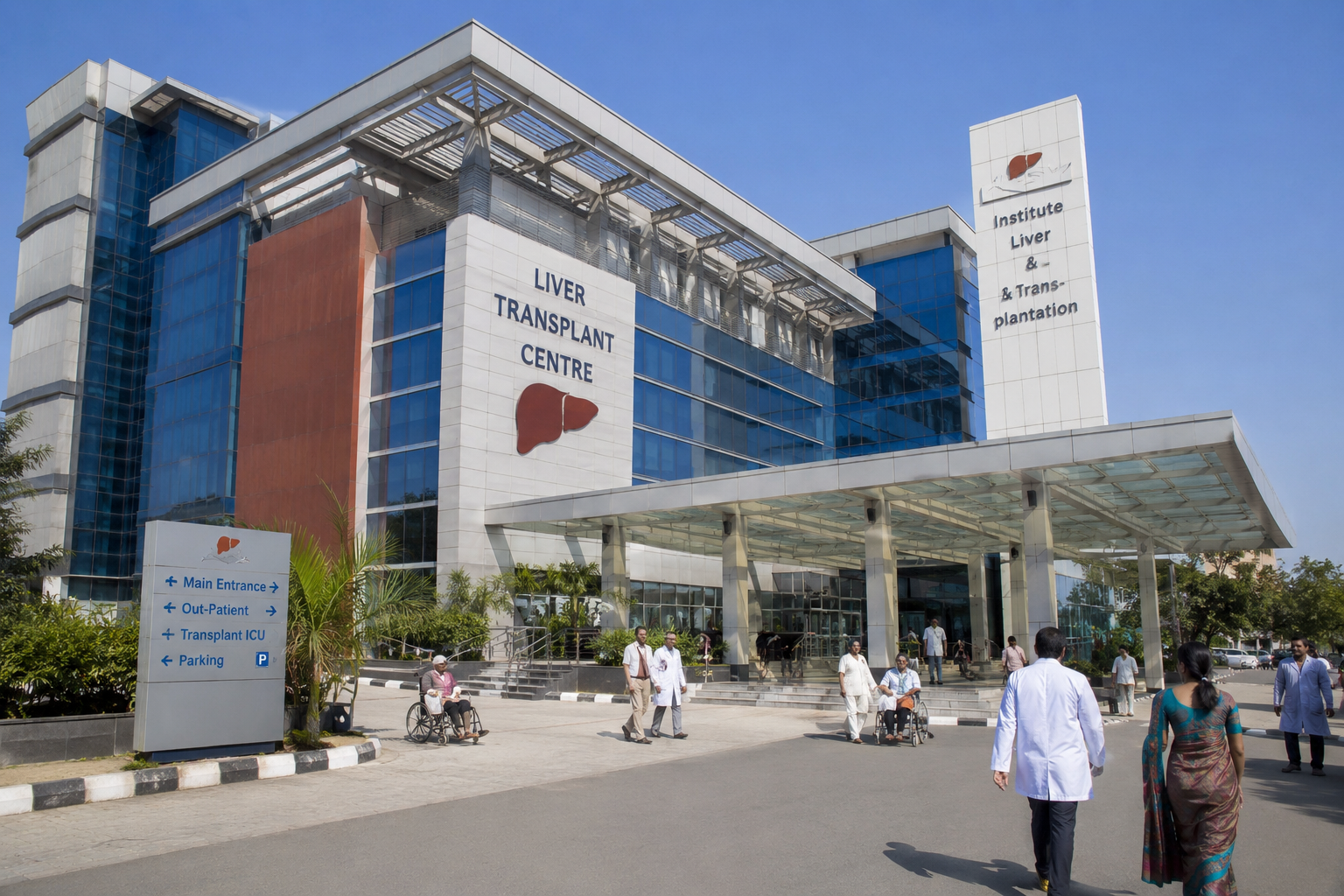
Liver Transplant in India: Why International Patients Choose India for Advanced Liver Care
India today is considered one of the best countries in terms of liver transplantation, with world-class facilities in place and an excellent system of living donor organs in place. India stands third in the world after the United States and China in terms of total number of annual liver transplantations, but India ranks first in the world in terms of the total number of Liver Donor Liver Transplantations performed per year. As per figures published by LTSI in 2022, a total of 3,183 LDFT procedures were performed in Indian transplant units, higher than in Turkey (1,472), South Korea (1,086), China (754), and the US (603). It is believed that a total of 5,000 liver transplants were performed in 2024 in India at more than 200 transplant units in operation in India.
A Look at Liver Failure and Transplant Warning Signs
The operation for liver transplantation can be performed on patients who have been diagnosed with either acute liver failure, chronic liver failure, or end-stage liver disease. Acute liver failure is defined as a condition that starts suddenly and may even lead to death in the near future. Chronic liver failure occurs slowly and takes years to advance because it is progressive. End-stage liver disease represents the final state whereby the liver fails to function normally and liver transplant surgery is the only option. However, not all individuals with liver diseases require a transplant. The symptoms include yellowness of the skin and eyes as a result of high bilirubin concentration, retention of fluids in the abdomen, frequent visits to the hospital, confusion resulting from brain damage caused by liver failure, internal bleeding caused by dilated and swollen blood vessels inside the alimentary system, and excessive exhaustion affecting the quality of daily activities. Early evaluation in a dedicated transplant facility will enable you to examine your condition and determine whether liver transplant surgery can be used to heal you.
Who May Need a Liver Transplant?
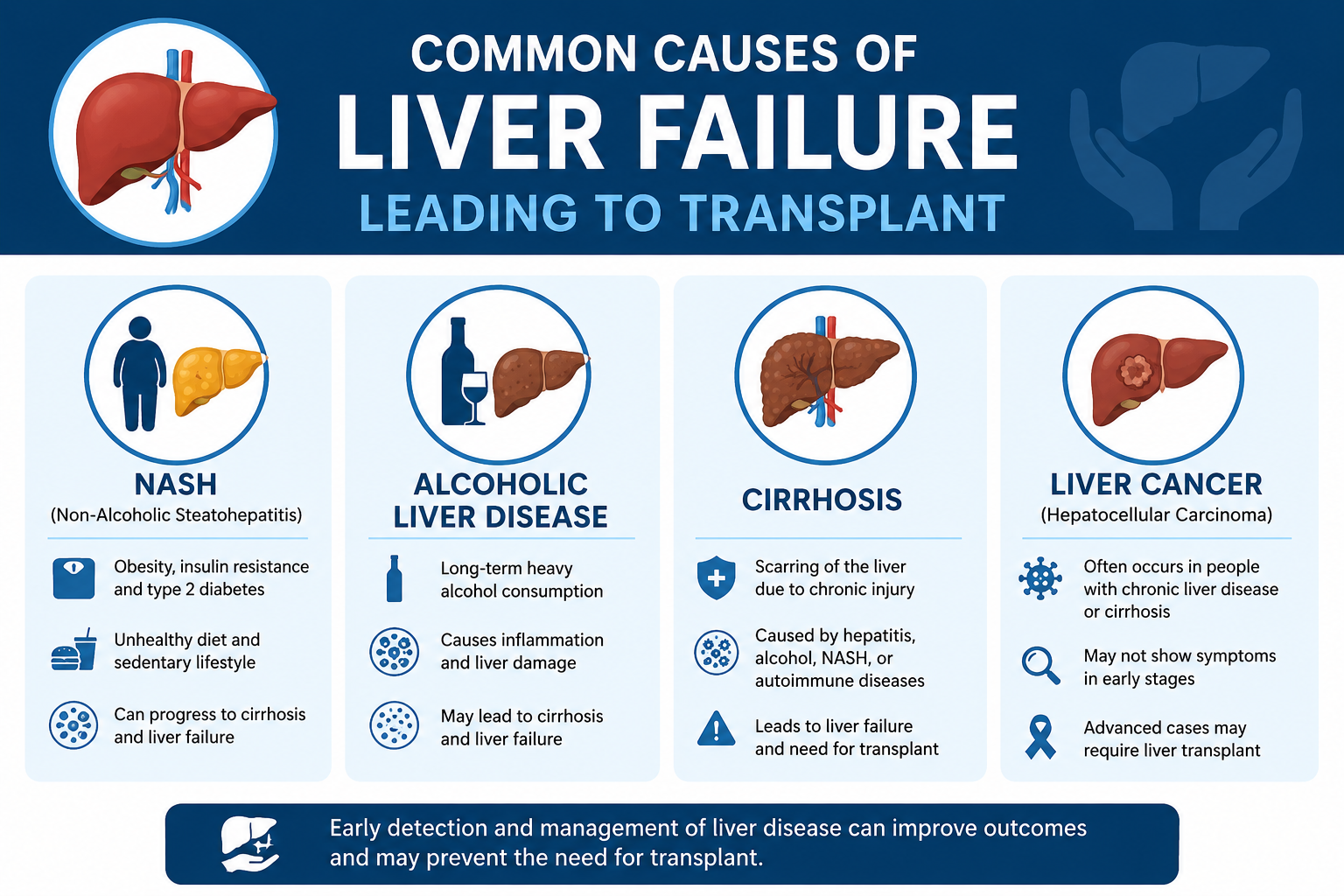
The factors responsible for the need for liver transplantation differ from nation to nation. For instance, as per the multi-centre data on liver transplants performed in India, the primary reasons for liver transplantation have been observed to differ from those noted in most Western countries in the past. Metabolically Dysfunctional Associated Steatohepatitis (MASH/NASH) and Alcoholic Liver Disease (ALD) cirrhosis constitute the top two reasons for liver transplantation among liver transplant patients and each of them is responsible for about 20% of the total number of liver transplants done.
Other factors necessitating liver transplants could be:
- Severe liver cirrhosis
- Some types of liver cancers
- Acute liver failure
- Chronic liver failure
- Genetic or hereditary liver diseases
Recipient Demographics
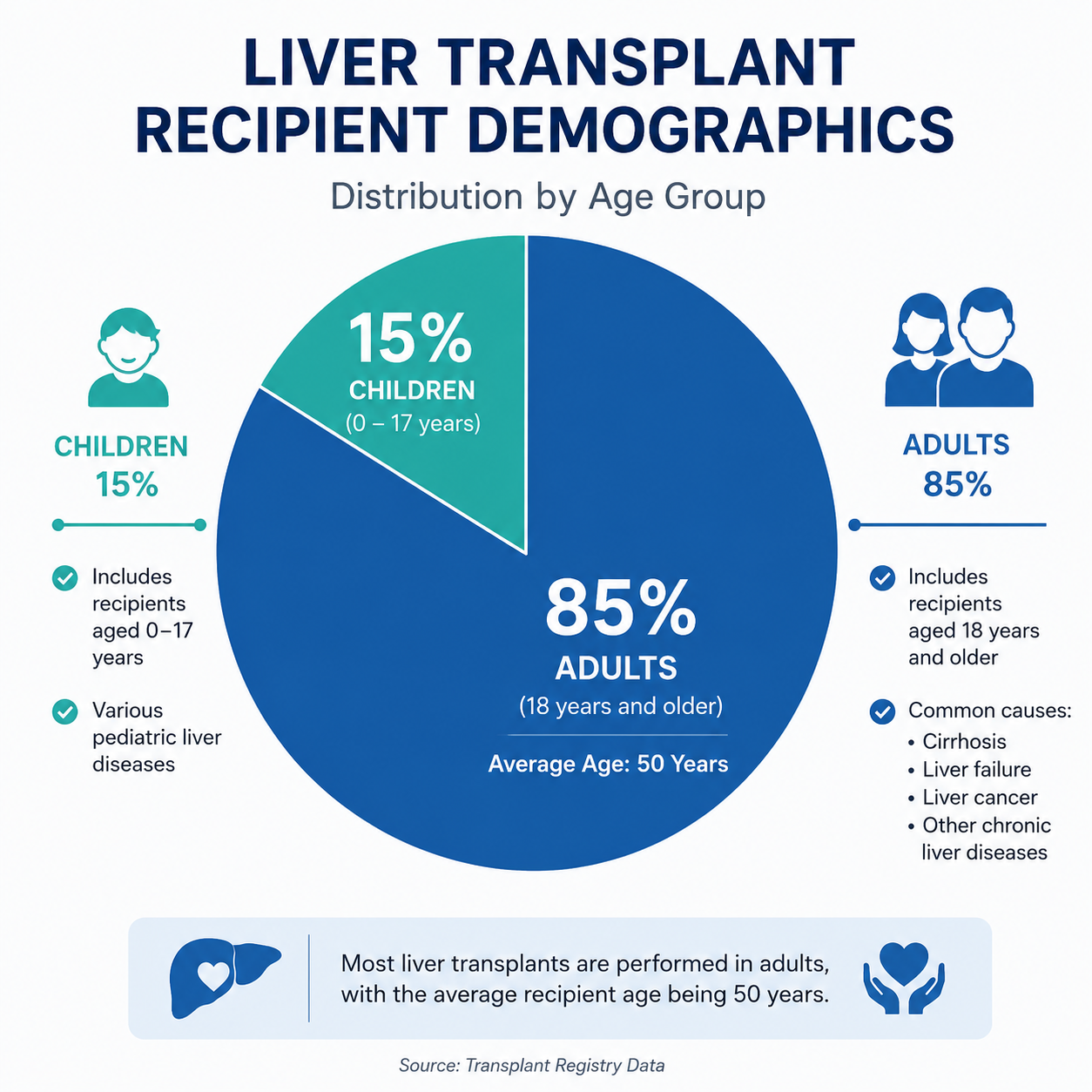
Liver transplantation is done mainly in adults. More than 85% of people who get transplants are adults. They have an average age of about 50 years. Children only constitute about 15% of liver transplantation surgeries. India has gained an international reputation in the treatment of extremely complicated conditions like Acute-on-Chronic Liver Failure (ACLF). Some Indian liver transplant centres with high patient volumes have successfully undertaken emergency living donor liver transplantation surgery on critically sick patients suffering from ACLF, with positive results.
One-year survival rates post-transplantation in ACLF cases are as follows:
|
ACLF Grade |
One-Year Survival |
|
ACLF-1 |
92.9% |
|
ACLF-2 |
85.4% |
|
ACLF-3 |
75.6% |
The above statistics are a clear indication that transplantation provides significant survival chances for individuals who have reached advanced stages of liver damage and multiple organ dysfunction.
Liver Transplant Options in India
Two main types of techniques have been developed to support the growth of liver transplantation in India: Living Donor Liver Transplant (LDLT) and Deceased Donor Liver Transplant (DDLT). Although both methods are applied in Indian transplant centres, the former approach has proved to be more popular and was instrumental in making India an international destination for transplant operations.
Living Donor Liver Transplant
The Living Donor Liver Transplant (LDLT) method implies transplantation of a part of a liver from a healthy donor to a patient suffering from liver failure. Liver is characterized with a great ability to regenerate itself, which allows postoperative recovery of its volume and functioning. Today, India is considered a global leader in LDLT surgeries. In 2022, transplant centres in India carried out 3,183 operations of living donor liver transplants – the largest number of such procedures in comparison to other countries. It surpassed not only Turkey, but also South Korea, China, and the United States.
Deceased Donor Liver Transplant
DDLT utilises the liver of a brain-dead individual whose organs have been authorised for transplantation. While LDLT is the most prominent form of liver transplantation performed in India, there has been considerable growth in the number of deceased donor transplantations during the past decade. In the year 2009, less than 11% of all liver transplantation was done through DDLT, which now comprises an estimated 18.8% of liver transplants in 2022. The establishment of deceased donor transplant networks has been aided by several Indian states, mostly in the South.
|
Factor |
Living Donor (LDLT) |
Deceased Donor (DDLT) |
|
Waiting Time |
Shorter |
Comparatively Longer |
|
Availability |
Better |
Limited |
|
Surgical Planning |
Scheduled |
Unpredictable |
|
Donor Source |
Family Donor |
Brain-Dead Donor |
|
International Patient Access |
Primary Route |
Highly Restricted |
However, for many foreign individuals, LDLT is the most feasible option.
Cost of Liver Transplant in India
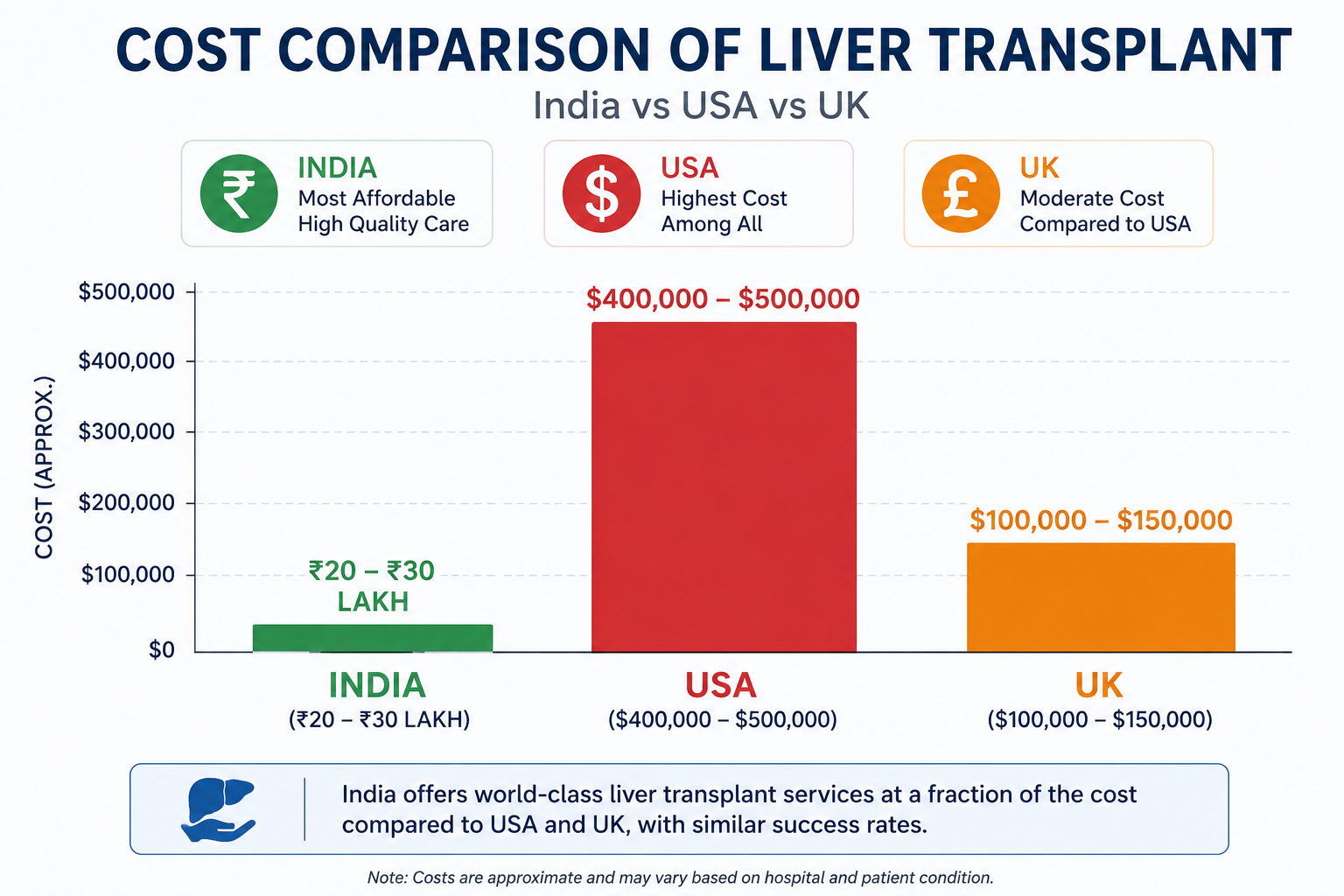
Cost is one of the leading considerations that determines the destination of most international patients for liver transplants. Countries like the US, UK, and Singapore have some of the best transplant programs, but the cost of treatment can be very expensive. Patients may incur high out-of-pocket payments even when they are insured, while others may take a lot of time before being considered for treatment.
India is increasingly gaining popularity for having some of the most cost-effective liver transplants in the world. This is because of the low cost of treatment in the country as compared to the rest of the world. International patients visit India mainly due to the disparity in costs between India and other countries.
|
Type of Liver Transplant |
India |
USA |
UK |
|
Living Donor Liver Transplant (LDLT) |
₹18–35 Lakh ($21,000–$41,000) |
₹6.0–10.0 Crore ($700,000–$1.2 Million) |
₹2.5–4.2 Crore ($300,000–$500,000) |
|
Deceased Donor Liver Transplant (DDLT) |
₹20–40 Lakh ($24,000–$47,000) |
₹6.5–10.8 Crore ($750,000–$1.3 Million) |
₹2.9–4.6 Crore ($350,000–$550,000) |
|
Adult Liver Transplant |
₹18–38 Lakh ($21,000–$45,000) |
₹6.0–10.0 Crore ($700,000–$1.2 Million) |
₹2.5–4.2 Crore ($300,000–$500,000) |
|
Pediatric Liver Transplant |
₹20–40 Lakh ($24,000–$47,000) |
₹6.5–10.8 Crore ($750,000–$1.3 Million) |
₹2.9–4.6 Crore ($350,000–$550,000) |
|
Split Liver Transplant |
₹25–45 Lakh ($30,000–$53,000) |
₹7.0–12.0 Crore ($850,000–$1.45 Million) |
₹3.3–5.0 Crore ($400,000–$600,000) |
|
Retransplantation (Second Liver Transplant) |
₹28–50 Lakh ($33,000–$59,000) |
₹8.0–13.0 Crore ($950,000–$1.55 Million) |
₹3.8–5.8 Crore ($450,000–$700,000) |
Liver Transplant Outcomes in India
The results produced by top-volume transplant centres in India are similar to international standards, which show that India’s transplant system is mature.
|
Timeline |
Patient Survival Rate |
|
1 Year |
84.3% |
|
5 Years |
75.5% |
|
10 Years |
72.2% |
These numbers are based on long-term follow-up data from the best Indian liver transplantation centres and show consistent survival advantages in well-selected cases. Good results following a successful liver transplantation depend on many variables such as pre-surgical status, hospital experience, timely diagnosis and referral among others. High-volume transplant centres with advanced Liver Intensive Care Units perform better. Consistency also depends on strict adherence to transplant protocols in the post-operation period.
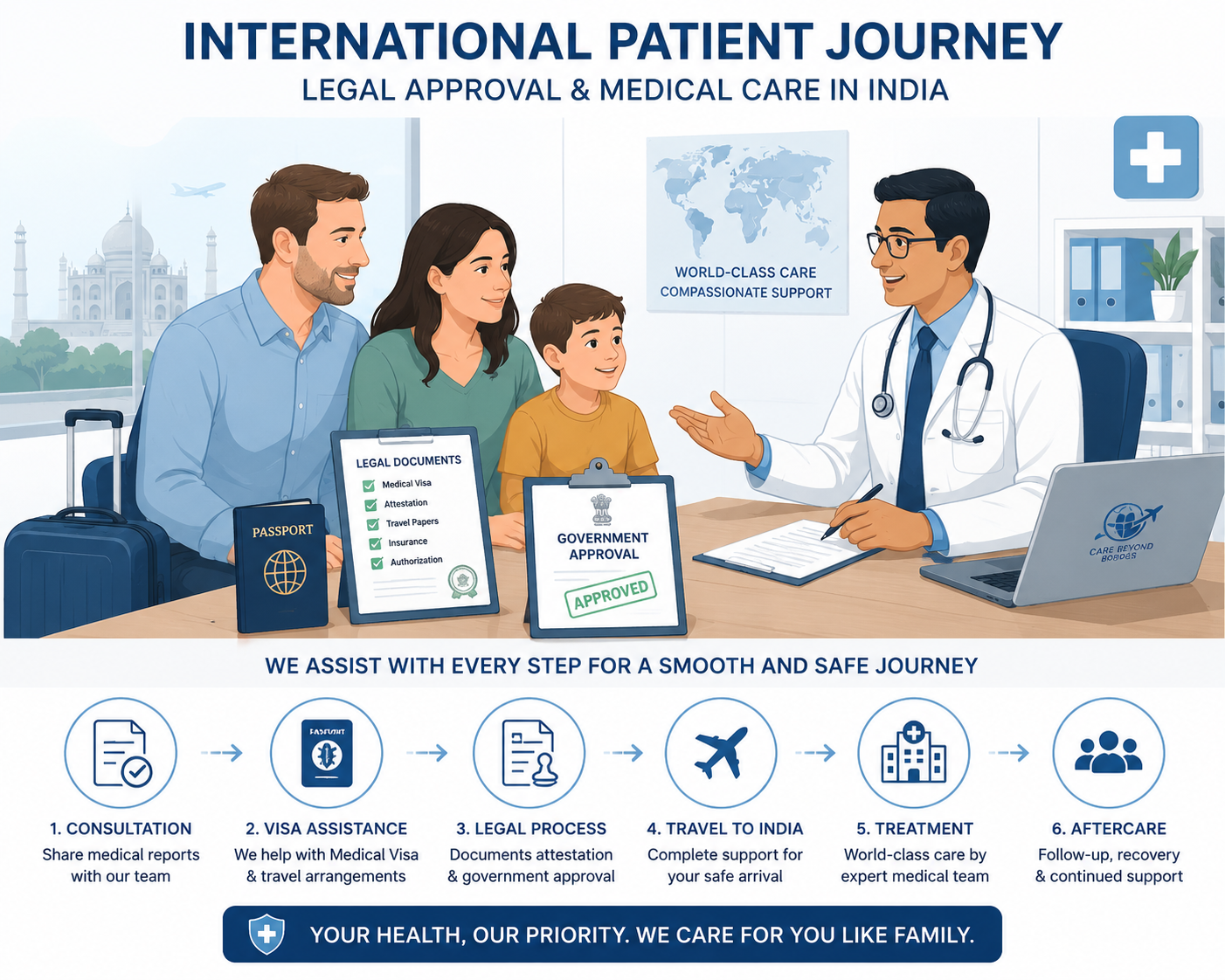
Can International Patients Receive a Liver Transplant in India?
However, the process of liver transplantation for non-citizens follows strict rules and legislation. All transplant operations in India are regulated by the Transplantation of Human Organs and Tissues Act (THOTA). The Act aims at preventing the practice of organ trafficking in an attempt to provide ethically acceptable treatment practices. The regulations require each living donor transplant to be considered by special Authorisation Committees. The committees determine whether the donor is genetically related to the patient, confirm consent for donation, and check the presence of possible coercion.
Important Rule for International Patients
International patients rarely get deceased donor liver transplants in India since it can happen only when there is no appropriate citizen registered on the waiting list. Thus, the vast majority of liver transplants performed on non-citizens in India are Living Donor Liver Transplants requiring the patient to come along with a legally approved family donor suitable for donation. Such legislation allows keeping high ethical standards while providing services for many international patients. The next step involves making an individual decision about transplant based on medical evaluation and donor assessment including the MELD scoring system.
Liver Transplant Assessment Journey
The success of a liver transplant starts even before surgery. The initial stage involves a comprehensive medical evaluation by transplantation experts in order to ascertain the extent of the disease, gauge risks, detect complications, and ensure whether transplantation is the most suitable form of treatment. For patients coming from other countries and receiving their treatment, the importance of the evaluation process cannot be underestimated because it facilitates the coordination between the doctors and other processes involved. Most of the patients undergoing treatment are amazed when they realise how many days can pass during evaluation.
Medical Evaluation and Diagnostic Tests
The evaluation process entails:
- Comprehensive blood investigations
- Liver function assessment
- Imaging studies to evaluate liver structure and blood vessels
- Cardiac evaluation
- Infection screening
- Nutritional assessment
- Psychological evaluation
- Donor compatibility testing
- Multidisciplinary assessments from transplant specialists
In addition to determining the need for transplantation, these tests will aim to find any possible influences that could have an impact on post-transplant outcomes.
Understanding the MELD Score and Its Significance in Transplant Prioritisation
One of the essential factors that come into play while performing an assessment is the MELD (Model for End-Stage Liver Disease) score. The MELD score gives a clear picture of how severe the liver disease condition is and the urgency of transplantation among the population with higher MELD scores implying more advanced stages of liver disease. Higher MELD scores suggest an urgent need for liver transplantation among patients with rapidly deteriorating liver conditions. Delaying evaluations in such cases may lead to serious adverse health impacts. Furthermore, this factor becomes highly important in the case of acute-on-chronic liver failure.
Donor Evaluation Process
Living Donor Liver Transplant patients go through similar assessments as those who will undergo transplantation. Potential donors have to go through thorough tests to assess their:
- Liver structure
- Health condition
- Blood group
- Suitability for surgery
- Readiness psychologically
The Authorisation Committee also verifies the relationship between the donor and recipient and whether all the legal requirements have been met.
The Role of National Data Systems
In the past, one of the difficulties with transplant processes in India involved poor reporting and inadequate centralised outcome monitoring. To overcome this difficulty, the Indian Liver Transplant Registry (ILTR) was created by the Liver Transplant Society of India (LTSI) in August 2019. The ILTR performs a vital role in raising the standards of national reporting, outcome monitoring, trend analysis, and evidence-based improvement in transplant processes. With confirmation of eligibility and identification of the donor pathway, individuals then progress to the surgery stage in the transplant process.
Best Liver Transplant Hospitals in India
The selection of an appropriate transplant centre may be considered among the most crucial decisions to make for patients. A liver transplant procedure is not only the performance of surgery. Instead, it requires a multidisciplinary approach that entails cooperation between hepatologists, transplant surgeons, anesthesiologists, radiologists, pathologists, intensive care specialists, rehabilitation specialists, transplant coordinators, and follow-up centres. In the case of individuals under treatment who are not citizens of India, choosing a hospital may become critical since their treatment would involve travel arrangements, donor arrangements, visa services, lodging assistance, and follow-ups.
India has been acknowledged with many transplant centres such as Apollo Hospitals, Greams Road, Chennai; CK Birla Hospital, Gurugram; Fortis Escorts Heart Institute, Okhla, New Delhi; Manipal Hospitals, Dwarka; and Paras Hospitals, Gurgaon. Additionally, people who are in need of help medically can get support from medical facilitators such as Racure Healthcare in choosing the hospitals and arranging treatment plans.
People who are supposed to undertake transplant operations should concentrate more on the volume of the transplants, surgical skills, teamwork, ICU facilities, and postoperative care rather than on hospital rankings.
Recovery from Liver Transplantation: What to Expect?
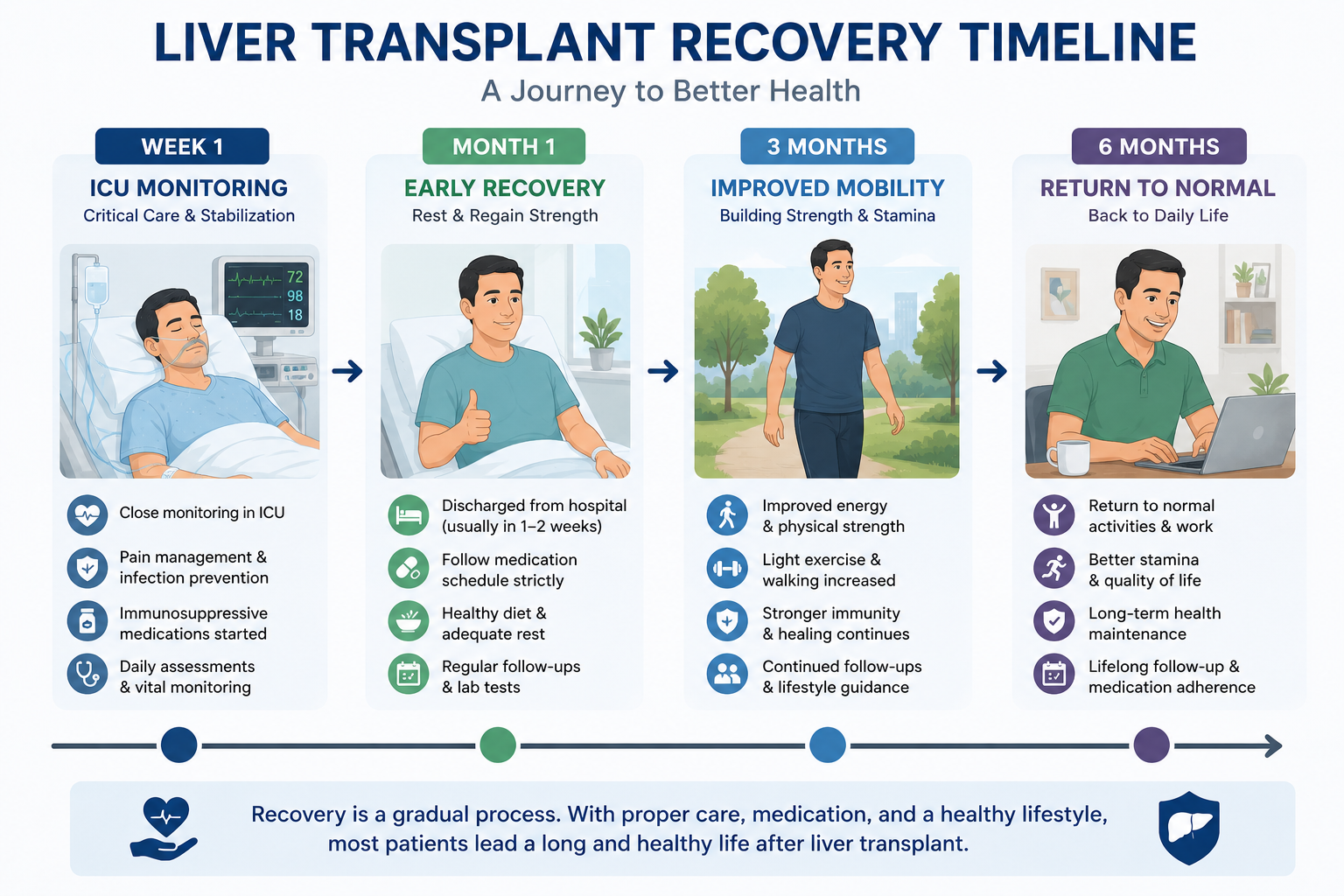
Recovery begins as soon as the patient undergoes liver transplantation surgery and lasts for months. Even though everyone will experience different recovery processes, due to the recent advancements in transplantation technology, recovery from liver transplantation has become less problematic. It is necessary for the patient to take some time as well as comply with the medicines.
|
Time Period |
Recovery Milestone |
|
Week 1 |
ICU monitoring and stabilization |
|
Month 1 |
Early recovery phase |
|
3 Months |
Improved energy and mobility |
|
6 Months |
Return to many normal activities |
Risks and Complications of Liver Transplantation
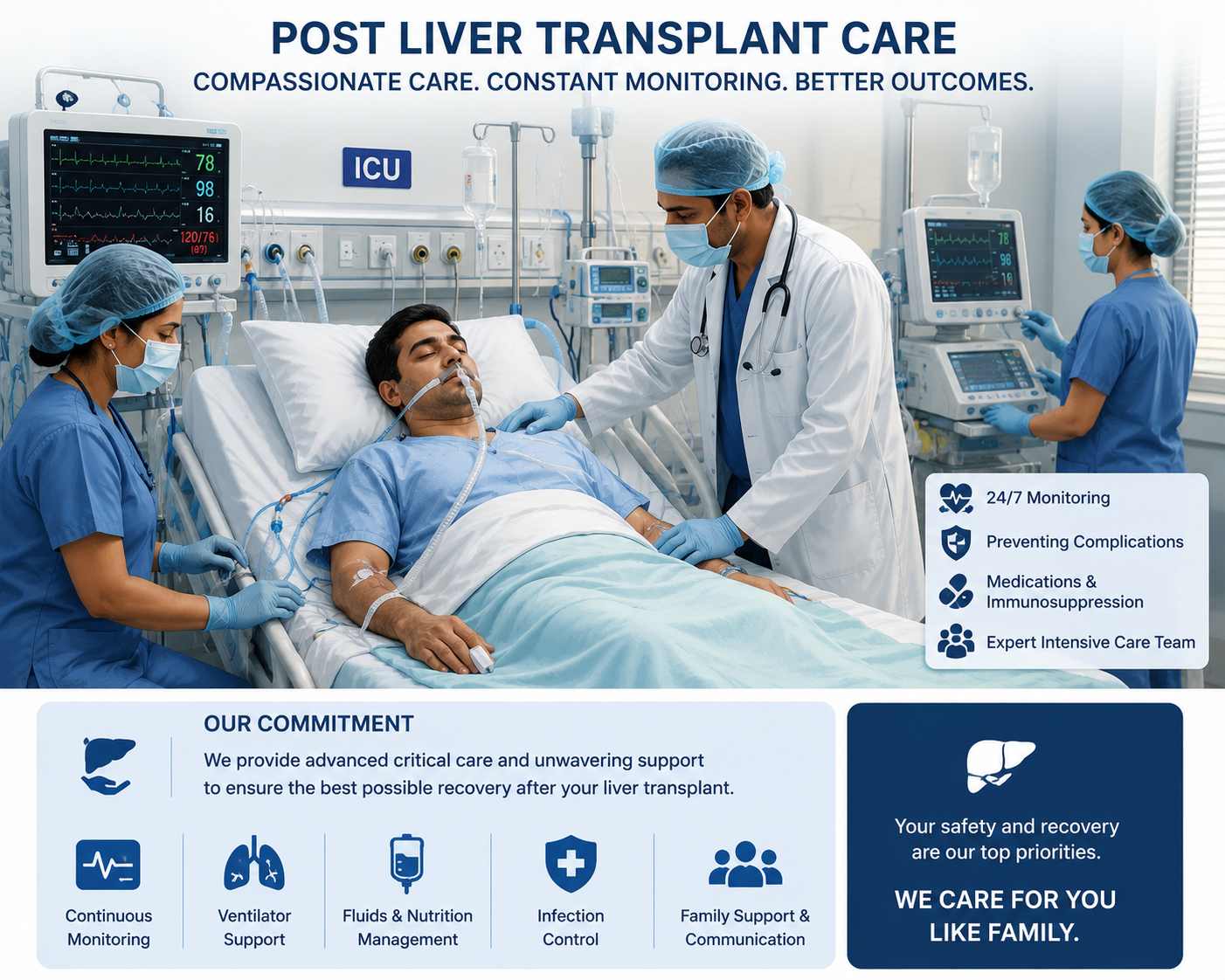
Even though the practice of liver transplant has become more positive than ever before, it is still a complicated procedure involving some risks and side effects. Knowing them will help those who go through the treatment process.
-
- Organ Rejection
The body's immune system always seeks to identify and destroy any tissue deemed foreign. The use of immunosuppressants is recommended in order to reduce this effect and protect the donated liver.
-
- Infections
Taking immunosuppressants leads to reduced immunity. Patients undergoing this surgery continue to be susceptible to infections due to their reduced immunity levels.
-
- Bleeding
Blood loss might occur during and post the surgery process and in some instances will require further intervention.
-
- Bile Duct Problems
The most frequent problem that results from LHLT is problems with the bile ducts. Data from Indian transplant centres suggests that there are incidences of biliary complications of 11% – 14%. In some cases, patients will be required to have endoscopic treatments or even have stents inserted in order to address these problems.
-
- Side Effects of Medications
Taking immunosuppressants for an extended time could lead to certain side effects requiring medication adjustments.
Regarding people from other countries receiving care and considering different transplant centres, it is important to note the pros and cons of the transplant procedure.
FAQs
1. The Age Limit for Liver Transplant?
Age restrictions do not apply specifically to a patient being eligible for a liver transplant. Liver transplantation is more about overall health status and how severe the illness is, among other considerations.
2. Can Alcohol-Related Liver Disease Patients Receive A Transplant?
Yes. Patients with liver disease caused by alcohol are one of the most common cases for undergoing liver transplantation in India. But patients who want to have liver transplantation should be under a thorough check-up.
3. Does the Liver Regrow After Being Donated to Someone Else?
Yes. The liver has this unique property of regeneration. Both parts of the liver in the living donor liver transplantation process will grow after being donated.
4. What About the Waiting Period for Liver Transplant in India?
The waiting period differs according to the severity of the disease, the donor's availability, and the transplant protocol. However, it is generally very quick in comparison to most other nations. Living donor transplant enables a considerably faster schedule than being dependent on the organs of deceased donors.
5. Is Liver Transplant Available to Foreign Patients in India?
Yes. There are thousands of foreign patients seeking treatment who undergo liver transplantation in India each year. Foreign patients generally go through the Living Donor Liver Transplantation procedure in accordance with Indian transplant laws using a family-approved donor.
Conclusion
It is thought by many people who receive medical care that a liver transplant is only done when no other alternative is possible, which in most cases is not always true since timely evaluation is very important. Liver transplant in India is considered very popular since it boasts of skilled surgeons specialising in liver transplants, excellent technology, and skills in living-donor transplants. In case of advanced liver disease, it will help if one gets evaluated in order to know what treatment options are available.
🫀 Need Expert Cardiac Care?
Our experienced cardiac surgeons can help you understand your options and plan the best treatment.