📑 Table of Contents
- Brain Surgery in India: Cost, Top Hospitals, Best Neurosurgeons & Success Rates
- Kinds of Brain Surgeries Available in India
- Surgical Management of Brain Tumour
- Craniotomy
- Aneurysm Surgery
- Deep Brain Stimulation DBS
- Epilepsy Surgery
- Endoscopic Brain Surgery
- Minimally Invasive Neurosurgery
- Why Do Patients Choose India for Brain Surgery?
- Brain Surgery Cost in India
- What Does Brain Surgery in India Cost on Average?
- Which Hospitals Should You Opt for Neurosurgery in India?
- India's Neurosurgical System and Its Strength
- Best Indian Neurosurgeons for Brain Surgeries
- The Neurosurgeons of India – The Situation
- Brain Surgery Success Rates in India
- Why Patients from Other Countries Come to India?
- Brain Surgery – Recovery Experience
- Possible Risks and Complications of Brain Surgery
Brain Surgery in India: Cost, Top Hospitals, Best Neurosurgeons & Success Rates
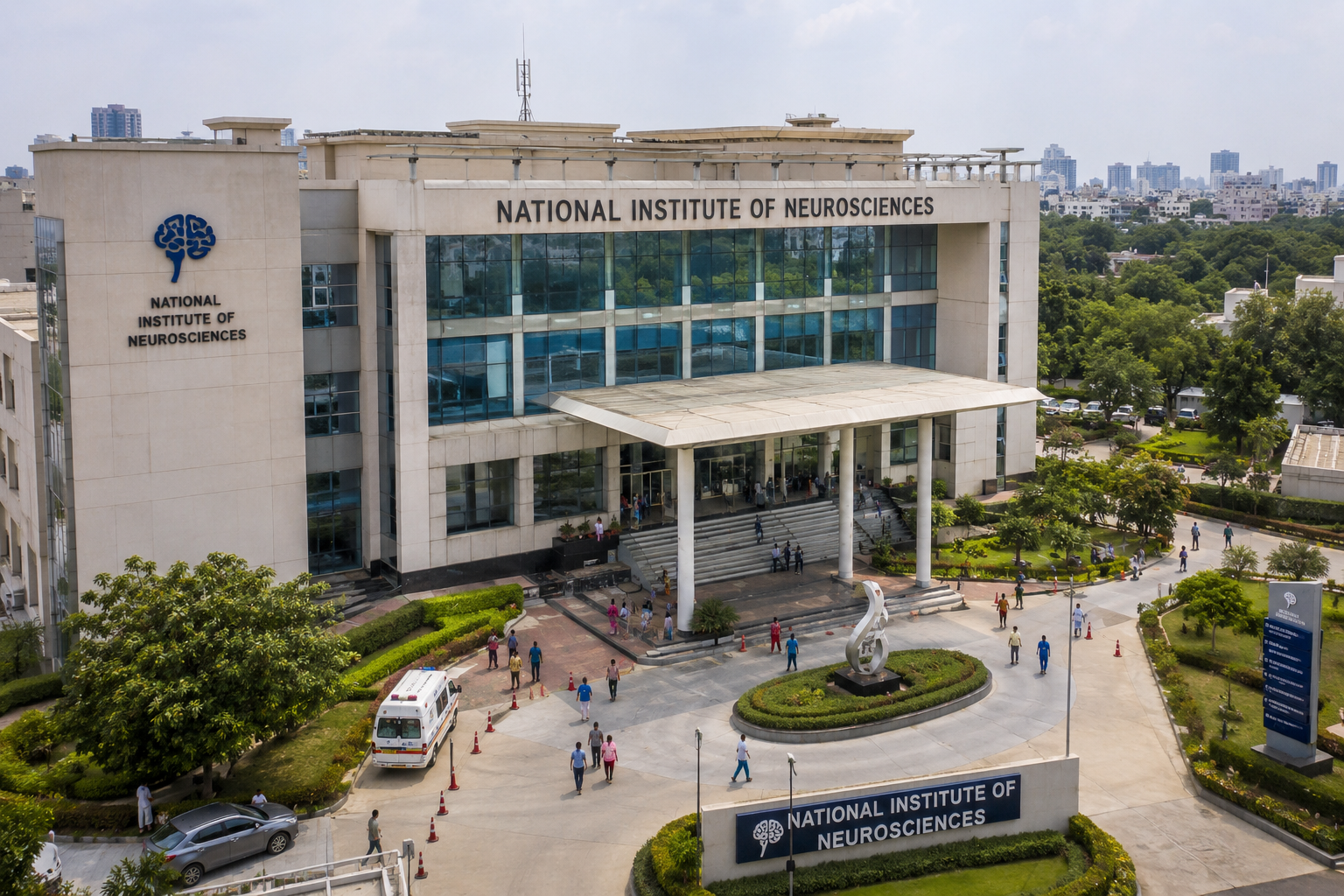
Brain surgery is increasingly becoming a medical treatment option of choice for many people seeking treatment. Indian hospitals have highly trained doctors and sophisticated equipment available at very low costs compared to those charged in Western nations. For instance, brain tumour surgeries, Deep Brain Stimulation and Gamma Knife Radiosurgery all cost up to 60-85% less. There are more than 30 million cases of neurological conditions in India, and doctors in the country have gained a lot of expertise in their area. People from different parts of the world seek treatment in India because of the quality, lower costs and success stories that they read of others who have been treated there before.
Kinds of Brain Surgeries Available in India
The best neurosurgical facilities in India carry out everything starting from the simplest brain tumour removal surgeries to the most complicated ones like skull base surgeries.
Surgical Management of Brain Tumour
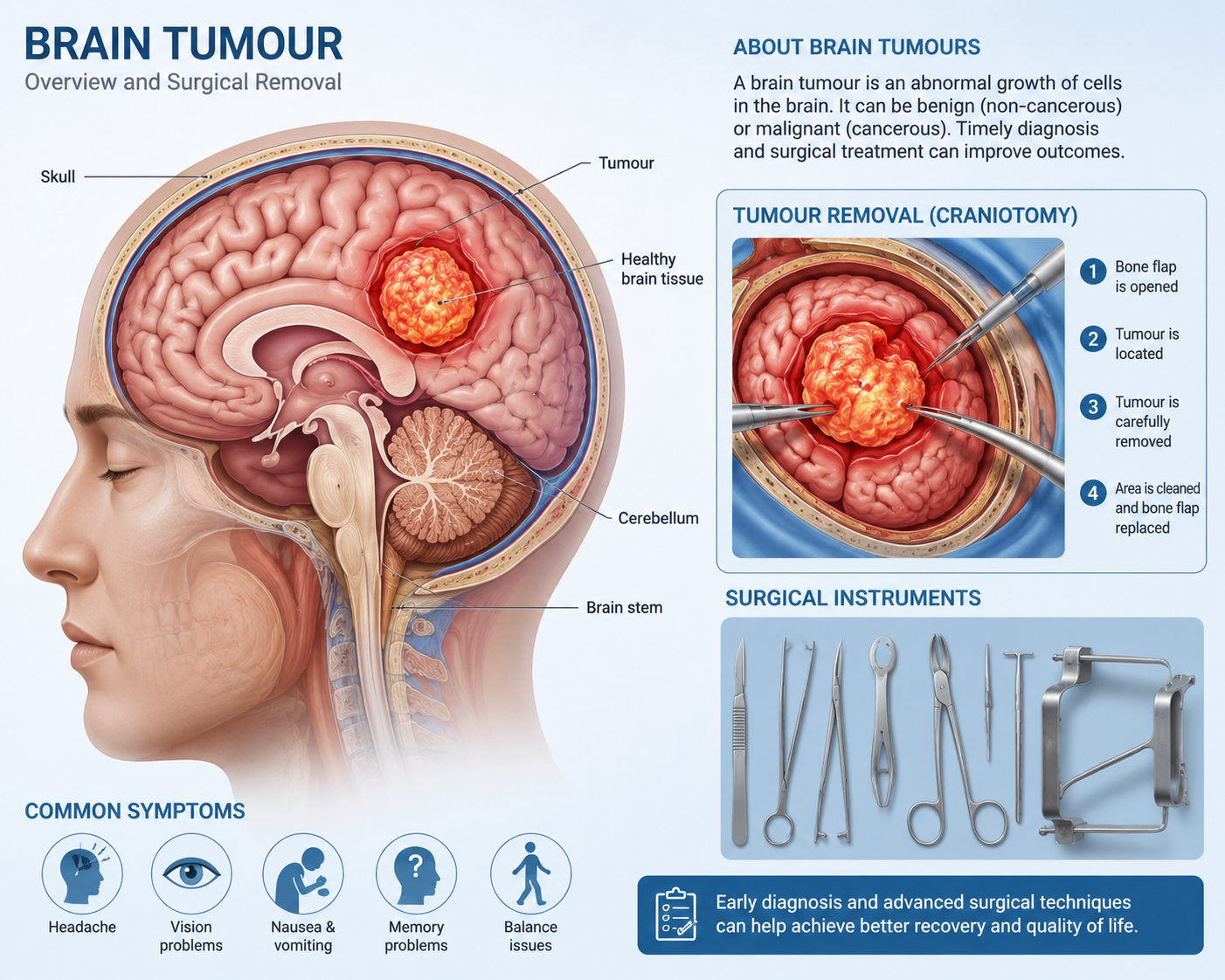
One of the most common operations undertaken in India is that of the removal of brain tumours. It involves removing the tumour without damaging the normal brain tissue surrounding the tumour. Indian neurosurgeons specialise in the treatment of:
1. Benign tumours such as meningiomas
2. Malignant brain tumours
3. Low-grade gliomas
4. Aggressive glioblastomas
5. Pituitary tumours
6. Skull-base complex tumours
This will depend on the location, size, and type of tumour in addition to the general neurological state of the patient. In cases where surgery alone is insufficient, radiation and/or chemotherapy may be employed in conjunction with it.
Craniotomy
Another one of the most commonly done operations in neurosurgery is the craniotomy. In this operation, part of the skull is temporarily removed to give the surgeon access to the brain itself. Some of the conditions it is used for are:
- Brain tumour
- Brain trauma
- Brain haemorrhage
- Vascular malformations
- Bacterial or other brain infection
These operations use modern imaging guidance systems.
Aneurysm Surgery
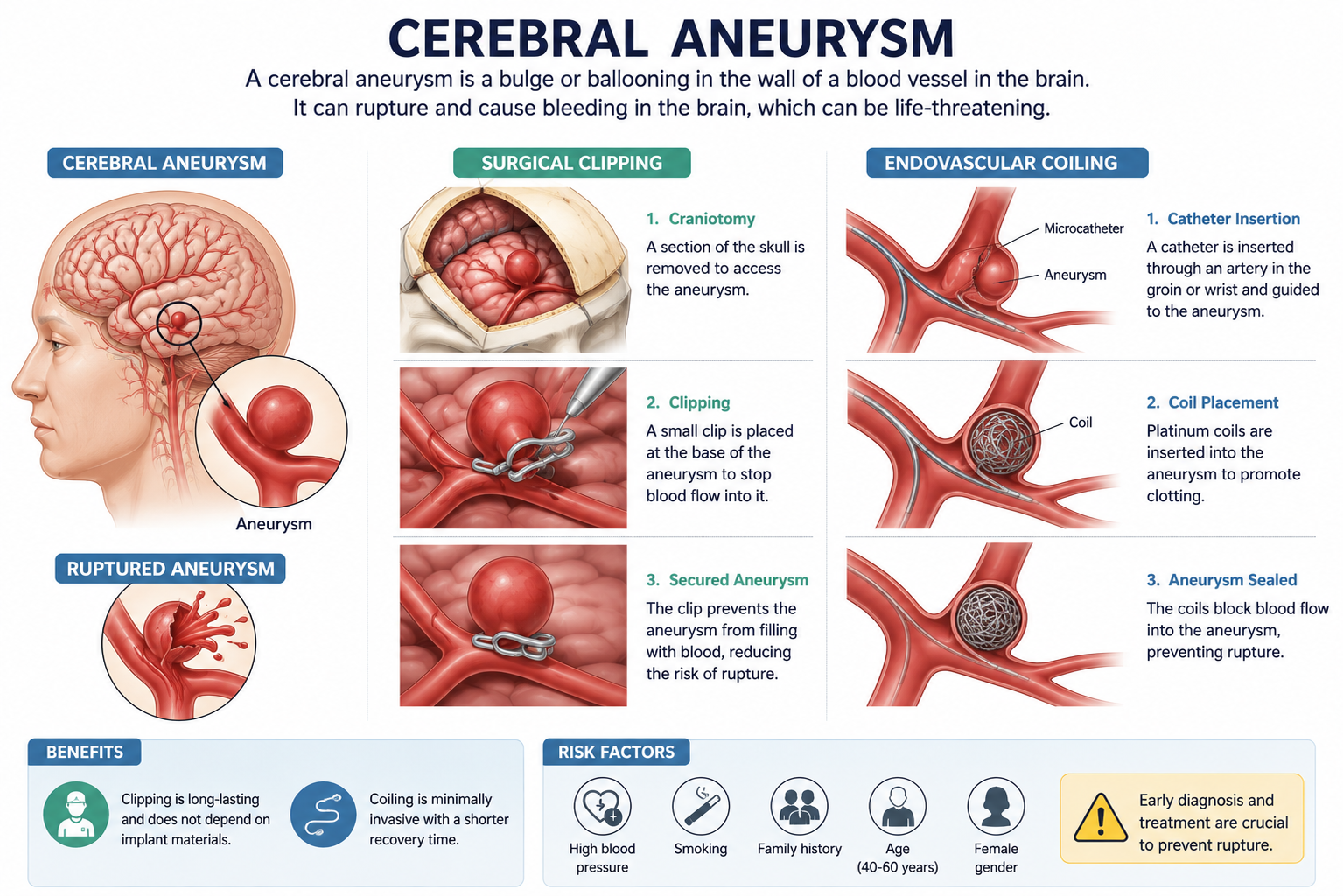
When a cerebral aneurysm occurs, it means that the walls of a blood vessel become weak and start expanding. It may burst any moment, and that fact itself will cause anybody to act quickly. The Indian centres of neurosurgery provide two methods of treatment:
Microsurgical Aneurysm Clipping consists of clipping a tiny device over the aneurysm so that the blood won’t flow into the weak part of the vessel.
Endovascular Coiling is an operation performed on blood vessels that closes up the aneurysm without opening up the brain.
Both operations are done in neurovascular centres specially equipped to treat cerebrovascular disorders.
Deep Brain Stimulation DBS
Nowadays, Deep Brain Stimulation is considered to be the main method of treating particular patients with some kinds of movement disorders. Electrodes are implanted into certain areas of the brain in order to regulate their abnormal activities. DBS may be recommended to patients suffering from:
- Parkinson’s disease
- Essential tremor
- Certain movement disorders
Currently, the neurology centres in India have started using portable Micro Electrode Recording MER devices. They record signals from the brain in real-time and assist in placing electrodes accurately during surgery.
Epilepsy Surgery
Where the patient’s seizures cannot be controlled by medication, epilepsy surgery can be considered. Drug-resistant epilepsy robs people of so much of their day-to-day activities, work, studies, and even their freedom of action. Advanced epilepsy management programs in India utilise sophisticated testing and imaging techniques to pinpoint areas of the brain which can be surgically treated.
Endoscopic Brain Surgery
Endoscopic brain surgery involves the utilisation of endoscopes, cameras and instruments introduced through minute openings into the brain. Unlike traditional surgery, endoscopic neurosurgery offers less damage to the surrounding tissues. Endoscopic neurosurgery is used in cases of:
- Pituitary tumours
- Ventricular disorders
- Hydrocephalus
- Chosen skull base problems
A number of patients coming in from abroad come to India for advanced neuroendoscopy services that cannot be found in their own countries.
Minimally Invasive Neurosurgery
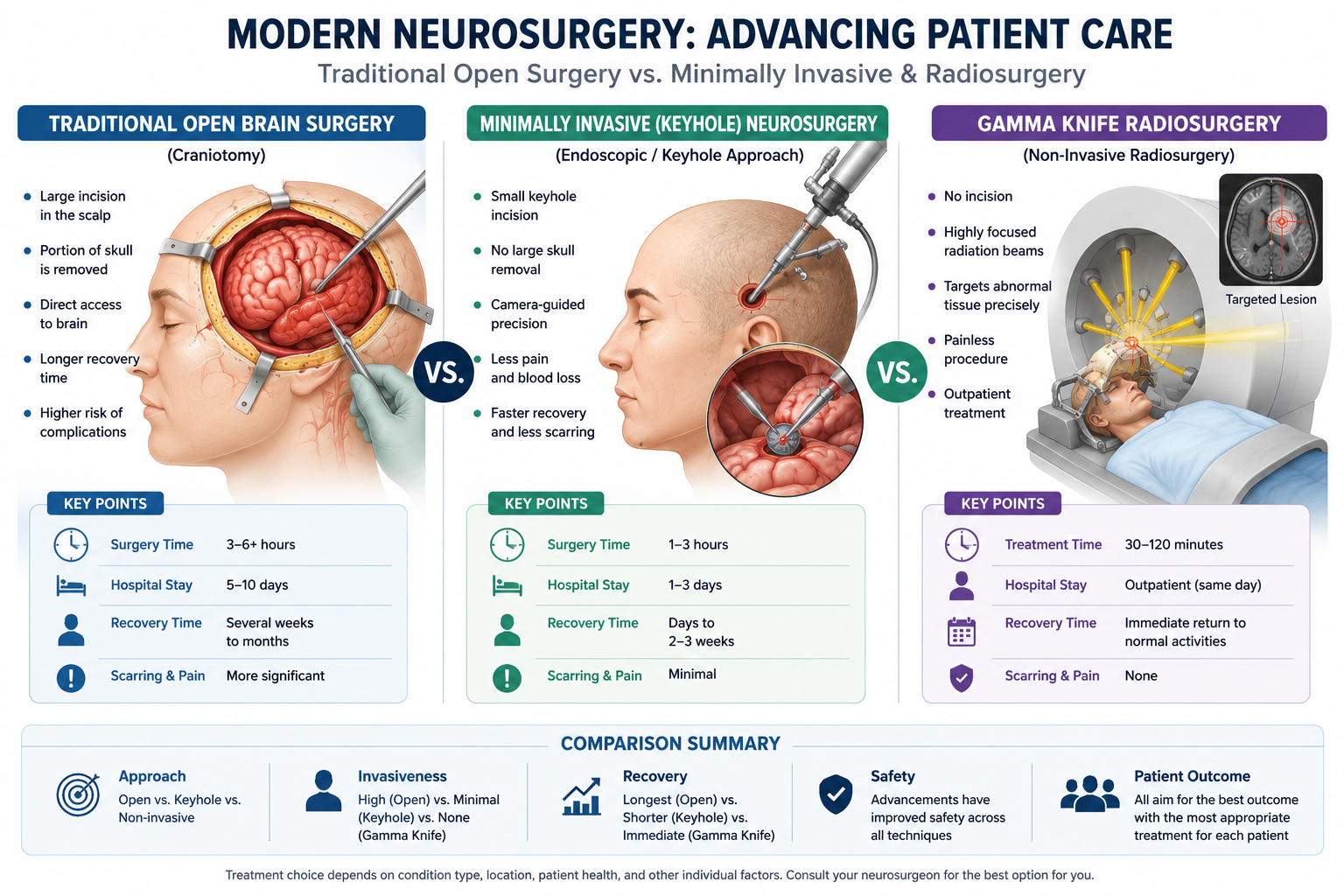
Among the biggest changes in neurosurgical practice is the increasing adoption of minimally invasive and even incisionless surgeries. Among the top hospitals in India, these methods of surgery which minimise trauma and ensure treatment effectiveness include the following:
- Gamma Knife Radiosurgery involves focusing high-energy beams on brain abnormalities without any invasive surgery. The procedure is indicated for:
- Some types of brain tumours
- Arteriovenous malformations AVMs
- Functional neurological disorders
- Cyberknife technology involves targeted delivery of stereotactic radiation to brain lesions that are difficult to reach but ensuring minimal radiation to adjacent normal tissues.
- Focused ultrasound FUS is an example of incisionless surgery being applied for certain neurological conditions.
Why Do Patients Choose India for Brain Surgery?
clean flat medical tourism design]
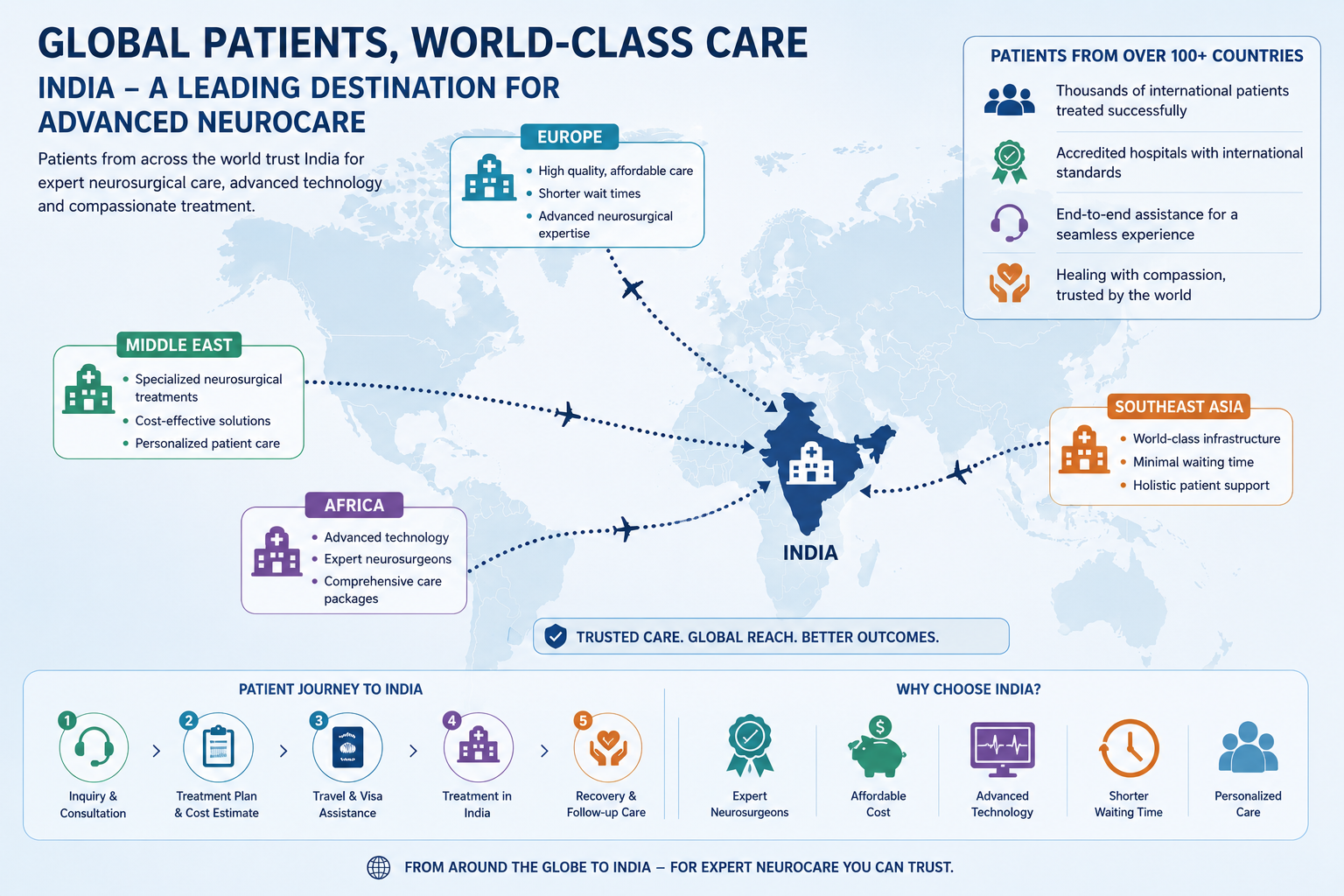
The selection of the destination country for brain surgery is far from trivial. It requires confidence in the country being capable of providing highly skilled professionals, state-of-the-art equipment, and proven results. India became one of the most popular places for health tourism due to the combination of top-level expertise and high-quality patient experience offered by its healthcare providers. For those residing in countries where the neurosurgical treatment is either unaffordable or unavailable on time, India provides alternative options without compromising on the quality of care provided. International patients are increasingly seeking Indian hospitals for complex brain surgeries, procedures involving neuro-oncology, vascular, functional, and pediatric neurology. India provides a number of benefits which keep foreign citizens coming to the country for medical treatment:
- Access to neurosurgeons
- Nerve surgical technology
- Economically efficient prices
- International patient satisfaction
For an international patient, the clinical experience is only one of the aspects that he or she should be taken care of. Some of the best hospitals in India provide additional help to foreign citizens by arranging for:
- The process of treatment
- Appointments
- Medical record translation
- Help with the VISA application process
- Meeting at the airport
- Travel and accommodation organisation
- Interpretation services
- Post-treatment follow-up communication
Such assistance alleviates much of the hassle faced by foreign patients.
Brain Surgery Cost in India
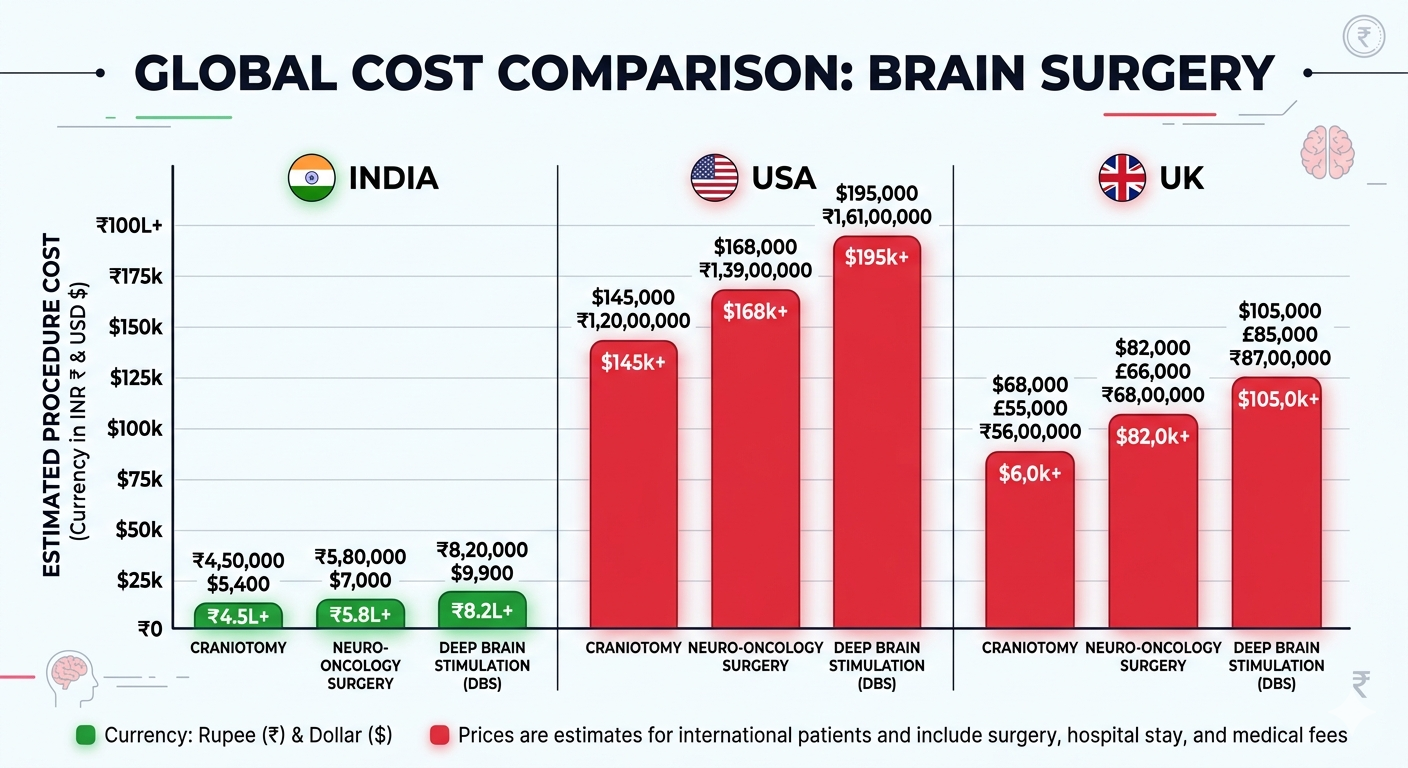
The price of brain surgery in India depends upon the type of surgery required, the seriousness of the patient, the hospitals that will perform the surgery, the technology used, and the duration that the patient needs to stay at the hospital. India has become a popular destination for brain surgery because of the affordable medical facilities provided in it provides.
What Does Brain Surgery in India Cost on Average?
|
Procedure |
India Cost Range |
USA/UK Cost Range |
|
Brain Tumour Surgery |
₹4 lakh–₹9 lakh ($4,800–$10,800) |
₹42 lakh–₹85 lakh ($50,000–$100,000) |
|
Craniotomy |
₹3.5 lakh–₹8 lakh ($4,200–$9,600) |
₹33 lakh–₹75 lakh ($40,000–$90,000) |
|
Aneurysm Clipping |
₹5 lakh–₹10 lakh ($6,000–$12,000) |
₹50 lakh–₹1 crore ($60,000–$120,000) |
|
Endovascular Coiling |
₹6 lakh–₹12 lakh ($7,200–$14,500) |
₹58 lakh–₹1.25 crore ($70,000–$150,000) |
|
Deep Brain Stimulation (DBS) |
₹8 lakh–₹18 lakh ($9,600–$21,700) |
₹75 lakh–₹1.5 crore ($90,000–$180,000) |
|
Epilepsy Surgery |
₹5 lakh–₹12 lakh ($6,000–$14,500) |
₹42 lakh–₹1 crore ($50,000–$120,000) |
|
Endoscopic Brain Surgery |
₹3.5 lakh–₹8 lakh ($4,200–$9,600) |
₹33 lakh–₹67 lakh ($40,000–$80,000) |
|
Gamma Knife Radiosurgery |
₹2.5 lakh–₹6 lakh ($3,000–$7,200) |
₹21 lakh–₹50 lakh ($25,000–$60,000) |
|
CyberKnife Treatment |
₹4 lakh–₹9 lakh ($4,800–$10,800) |
₹33 lakh–₹75 lakh ($40,000–$90,000) |
|
Focused Ultrasound (FUS) |
₹6 lakh–₹14 lakh ($7,200–$16,900) |
₹58 lakh–₹1.25 crore ($70,000–$150,000) |
These numbers come from treatment costs in big private hospitals that have strong neurosurgical facilities and services for patients from other countries. However, costs can change a lot depending on each person's situation. The money difference becomes very clear when you put India's costs next to healthcare prices in the United States and Western Europe.
These differences mean patients can save roughly:
- 85% on brain tumour surgery
- 78% on Deep Brain Stimulation
- 80% on Gamma Knife Radiosurgery
This is an opportunity opened up by this surgery that will turn their life upside down without the burden of expensive treatment in countries where the cost of health care is significantly higher.
Which Hospitals Should You Opt for Neurosurgery in India?
The selection of a hospital is important in itself. In addition to the skills of a neurosurgeon, the patient should also pay attention to the quality of the medical centre’s equipment, technologies, intensive care units, and rehabilitation facilities. Neurointensive care includes neurological control after surgery, brain oedema control, care for complications from strokes, neurocritical care emergencies, as well as ventilation in case of necessity. All of these points indicate safe neurosurgery in the hospital.
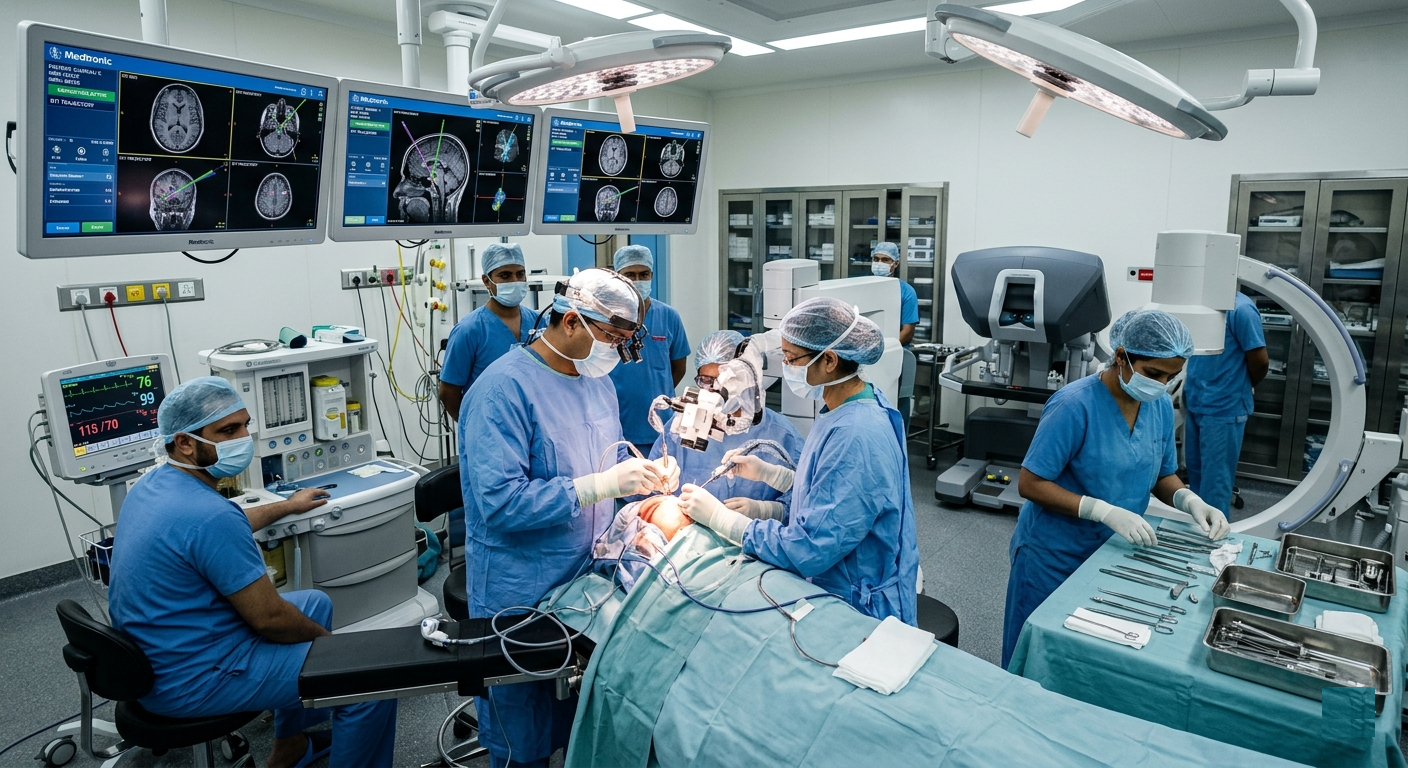
There are some renowned medical organisations in India known for neurosurgery programs. Some of these organisations include Artemis Hospital, Apollo Hospital Greams Road, CMC Vellore, Max Super Speciality Hospital Saket, Manipal Hospitals Dwarka, and Tata Memorial Hospital. These hospitals are renowned for having specialised neurosurgeons, good diagnostic ability, neurocritical care, and comprehensive treatment plans. Advanced hospitals make use of neuronavigations which can be likened to GPS that allows surgeons to navigate through the brain and locate tumours, blood vessels, and brain structures. The most advanced facilities provide intraoperative MRI which provides live visualisation of the surgical procedure, tumour removal, verification of accuracy, decreased risk of additional surgeries, and prevention of damage to healthy brain tissue. The Gamma knife is used for treating specific types of brain disease without the need for surgical procedures and recovery platforms help the patient recover fully after the procedure.
Patients from other countries or within India who require assistance with treatment planning, getting second opinions, choosing suitable hospitals, and getting full care management services can get assistance from health service providers such as Racure Healthcare in India.
India's Neurosurgical System and Its Strength
Despite challenges with how medical staff are spread across such a large population, India has built several highly advanced neurosurgical centres that provide world-class care. Only a small number of government medical colleges have the facilities needed for the most complex brain surgery procedures. Because of this, specialist national institutes and leading private hospitals have become the main referral points for difficult brain surgeries.
Many of these institutions now use:
- Intraoperative MRI
- Neuro-navigation technologies
- Robotic-assisted surgical platforms
- Advanced neuro-oncology programmes
- Specialist skull-base surgery units
- Full neurovascular services
This gathering of expertise gives patients access to advanced treatment options that match what is available in many developed healthcare systems.
Best Indian Neurosurgeons for Brain Surgeries
In the case of a patient seeking foreign medical treatment for brain surgeries, he or she not only chooses the hospital but the doctor as well. The experience, expertise, judgment, and skills of the neurosurgeon can make a significant difference in surgical success and recovery as well as a patient's confidence level. In terms of brain surgeries, a major factor to consider for international patients seeking surgery in India is the vast pool of highly skilled neurosurgeons at work in top-tier hospitals, research institutions, and some of the most prestigious private hospitals in India.
The Neurosurgeons of India – The Situation
Although India has one of the largest populations in the world, the country still has an amazing number of highly competent neurosurgeons. At present, about 2,500 neurosurgeons are working in India for the benefit of its population of over 1.4 billion. This translates to one neurosurgeon per 560,000 people. Although this ratio is indicative of the huge requirement of neurosurgeons in India, it has also contributed to the creation of specialist centres where complicated cases are routinely dealt with.
Many top neurosurgeons in India perform numerous complex procedures each year such as:
- Brain tumour resections
- Skull-base surgeries
- Vascular neurosurgery
- Functional neurosurgery
- Paediatric neurosurgery
- Neuro-endoscopic procedures
- Complex spinal neurosurgery
This level of regular clinical work is one of the main reasons international patients keep choosing India for treatment.
Brain Surgery Success Rates in India
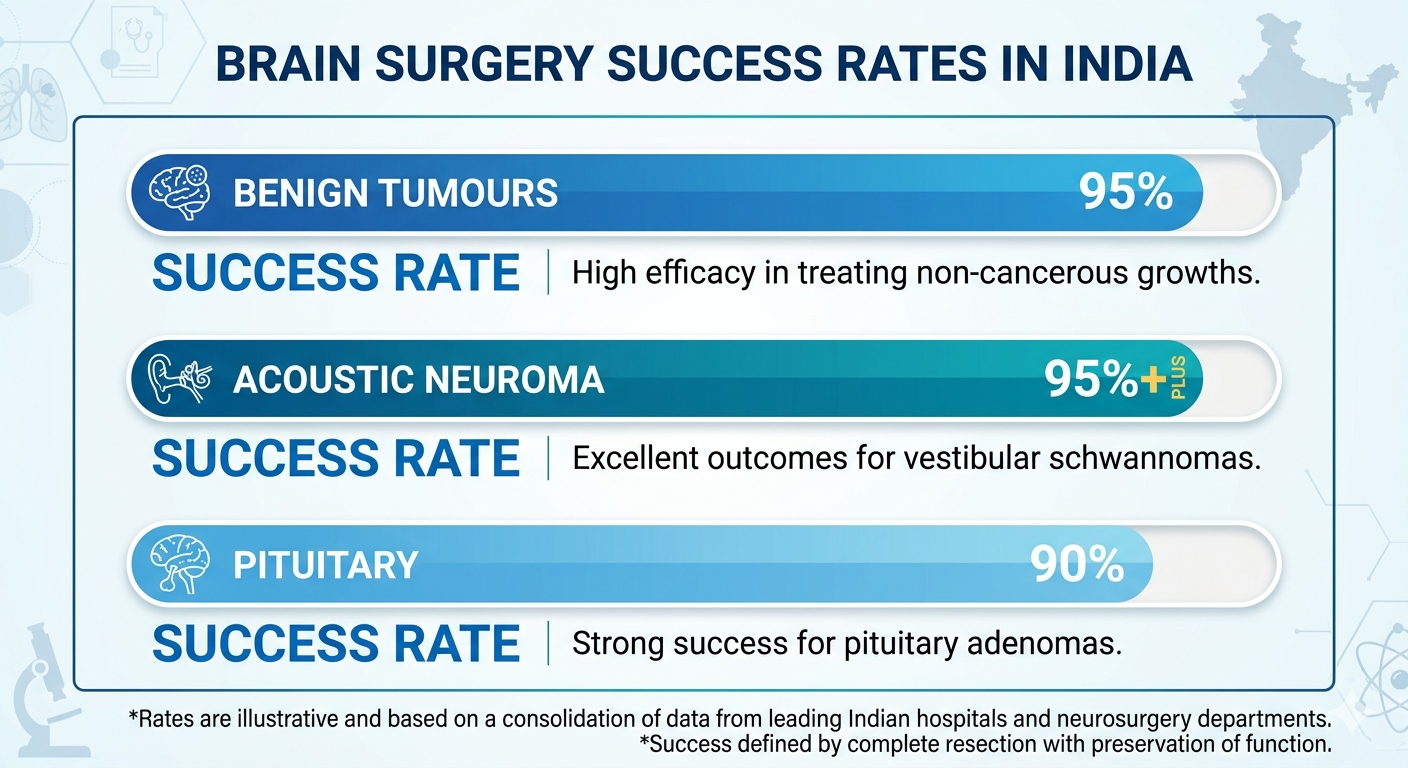
Savings on cost might be an initial concern, but ultimately, patient treatment success rates will determine their choice regarding the hospital, surgeon, and even the country they opt for their treatment. The positive aspect about this is that many prominent neurosurgical centres in India deliver results comparable to international norms, particularly when treatments are offered at specialised neuroscience institutes or modern tertiary care centres. It must be understood that there is no singular success rate for brain surgeries.
Outcomes vary depending on:
- The condition being treated
- Tumour type
- Stage of disease
- Patient health status
- Surgical complexity
- Timing of treatment
- Post-operative care
This is why a patient needs to communicate directly with his/her neurosurgeon about his/her particular case.
|
Tumour / Condition |
Primary Treatment Approach |
Success Rate Range |
|
Benign Tumours (such as Meningiomas) |
Craniotomy / Radical Resection |
90% – 95% |
|
Acoustic Neuroma |
Microsurgical Excision |
Greater than 95% |
|
Pituitary Adenoma |
Endoscopic Transsphenoidal Surgery |
85% – 95% |
|
Low-Grade Gliomas |
Surgical Resection with Additional Therapy |
70% – 85% |
|
Malignant Glioblastomas |
Surgical Debulking with Radiation |
60% – 80% |
|
Pediatric Medulloblastoma |
Surgery with Adjuvant Therapy |
More than 72% Five-Year Event-Free Survival |
However, there are very different prognoses for each neurological disease. It demonstrates clearly the improvement in neurosurgical techniques, the use of modern technology in diagnosis, and planning for surgery with the involvement of multiple medical specialists.
Why Patients from Other Countries Come to India?
Today India is one of the world's best places to visit as a Medical Value Travel destination. Of the roughly 7.3 million foreign medical value tourists visiting India for health care services, neurosurgery ranks as one of the top four specialities, along with cardiology, oncology, and organ transplants. The reason behind this increasing trend is that people are gaining confidence in Indian neurosurgery centres.
Many times the choice is not only about cost savings. They are looking for access to:
- Surgeons with deep experience
- Advanced treatment technologies
- Specialist neuroscience centres
- Faster treatment timelines
- Full support services
Together, these factors make India a strong choice for patients who need highly specialised neurological care.
Support for International Patients
One thing that sets leading Indian hospitals apart is the strong focus on support for international patients. Dedicated international patient departments regularly help with:
- Treatment coordination
- Appointment scheduling
- Medical documentation
- Airport pickup arrangements
- Accommodation help
- Interpreter services
- Billing support
- Follow-up communication
This allows the process to be stress-free, enabling patients to concentrate on receiving their treatment and making a good recovery.
Reasons for India being a Leader for International Patients Seeking Brain Surgeries
There are usually three aspects considered by international patients when evaluating their options:
-
- Expertise
- Quality of treatment
- Value
Top neurosurgery hospitals in India offer all these aspects, giving them an edge over their competitors. Patients receive high-quality treatment from experts, use advanced facilities, and benefit from an entire program for much lower costs compared to more expensive healthcare settings. For foreign patients interested in going overseas for brain surgery, India offers everything needed, including expertise, facilities, cost-effectiveness, and supportive patient care.
Brain Surgery – Recovery Experience
The recovery period is one of the most critical stages in the entire treatment cycle. While the surgery takes just a few hours to perform, the rest of the healing process can take weeks or even months. It depends on:
- The condition that was treated
- The type of surgery carried out
- The patient's age and general health
- How complex the procedure was?
- Whether rehabilitation services are needed
Every patient heals at their own pace. The timeline below gives a general idea of what to expect.
General Recovery Timeline
|
Recovery Stage |
Expected Timeline |
|
ICU Stay |
1–3 Days |
|
Hospital Stay |
5–10 Days |
|
Early Recovery |
2–6 Weeks |
|
Long-Term Recovery |
Several Months |
Possible Risks and Complications of Brain Surgery
Brain surgery is one of the most difficult procedures for a surgeon to conduct. There has been tremendous progress in minimising its risks thanks to improved surgical techniques and medical technology. Nevertheless, brain surgery does involve certain dangers and complications which should be considered in advance. Having a candid discussion with the neurosurgeons will certainly help make an informed choice.
- Infection
- Bleeding
- Brain swelling
- Seizures
- Neurological deficits
🫀 Need Expert Cardiac Care?
Our experienced cardiac surgeons can help you understand your options and plan the best treatment.