📑 Table of Contents
- AFFORDABLE SURGERY IN INDIA
- Why Is Surgery So Much Cheaper in India?
- Surgery Cost Comparison: India vs USA vs UK
- Is Surgery in India Actually Safe?
- What to Look For: Accreditation
- Which Medical Procedures Are Most Popular in India?
- Which Hospitals Are the Best in India for International Patients?
- How Does the Medical Tourism Process Actually Work?
- What Are the Best Cities for Medical Tourism in India?
- Practical Tips for Patients Traveling to India for Surgery
- Who Travels to India for Surgery? Real-World Patient Profiles
- What Are the Risks? Let's Be Honest
- Frequently Asked Questions
- Final Thoughts: Is Affordable Surgery in India Right for You?
AFFORDABLE SURGERY IN INDIA
Let's be honest — the cost of surgery in countries like the United States, the United Kingdom, or Australia can be absolutely devastating. We're talking about situations where people drain their life savings, take out second mortgages, or worse, skip the surgery altogether because they simply cannot afford it.
If you're reading this, there's a good chance you or someone you love is facing that very situation. And you've probably heard that India is a destination where people travel for affordable, high-quality surgery. But is it really as good as people say? Is it safe? Who goes there? And how does the whole thing work?
In this guide, we're going to answer all of those questions — and then some. By the time you're done reading, you'll have a clear, honest picture of what medical tourism in India looks like in 2025.
Why Is Surgery So Much Cheaper in India?
This is the first question most people ask, and it's a fair one. The short answer: cost of living and operational expenses are drastically lower, but that does not mean the quality is lower.
Here's the breakdown of why prices are so much more affordable:
1. Lower Cost of Living
Salaries for medical staff, including surgeons with the same or equivalent qualifications as their Western counterparts, are significantly lower in India. A cardiac surgeon in the US may earn $400,000+ per year. In India, even a top-tier surgeon earns a fraction of that. This cost difference flows directly into what hospitals charge for procedures.
2. Reduced Infrastructure Costs
Building and running a hospital in India costs far less than in the US or Europe. Real estate, utilities, administrative overheads — all considerably lower.
3. No Excessive Malpractice Insurance
In the US, a huge chunk of your hospital bill goes toward covering the hospital's and doctor's malpractice insurance premiums. In India, this is not a significant cost driver.
4. Government Support for Medical Tourism
The Indian government actively encourages medical tourism. Hospitals that cater to international patients often receive tax incentives and infrastructure support. This keeps costs competitive.
5. Favorable Currency Exchange
For patients paying in US dollars, British pounds, or Euros, the exchange rate with the Indian rupee makes everything even more affordable. You get more value per dollar spent.
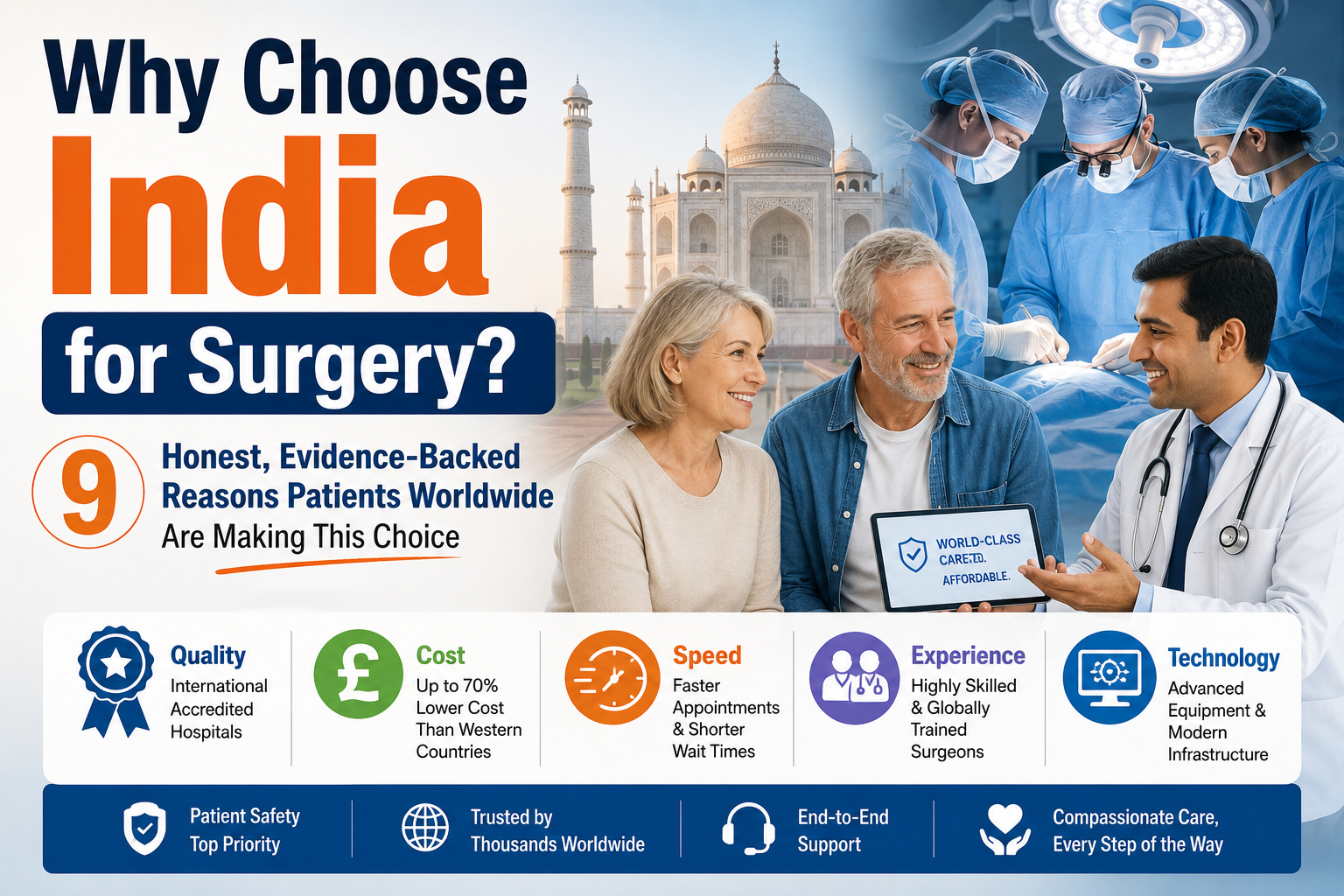
The result? You can often save 60% to 90% on the same procedure, performed by equally or better-trained surgeons, in hospitals that meet international accreditation standards.
Surgery Cost Comparison: India vs USA vs UK
The numbers below are approximate ranges based on 2024–2025 data for major procedures. Actual costs vary by hospital, surgeon, and individual medical complexity.
|
Procedure |
USA (approx.) |
UK (approx.) |
India (approx.) |
|
Heart Bypass Surgery |
$70,000 – $130,000 |
$40,000 – $80,000 |
$5,000 – $8,000 |
|
Knee Replacement |
$35,000 – $60,000 |
$20,000 – $30,000 |
$4,500 – $7,000 |
|
Hip Replacement |
$40,000 – $65,000 |
$18,000 – $28,000 |
$4,000 – $6,500 |
|
Spinal Fusion |
$50,000 – $90,000 |
$25,000 – $40,000 |
$5,000 – $9,000 |
|
Liver Transplant |
$300,000+ |
$120,000+ |
$25,000 – $45,000 |
|
IVF Treatment |
$12,000 – $20,000 |
$7,000 – $12,000 |
$2,000 – $4,000 |
|
Dental Implant (per tooth) |
$3,000 – $5,000 |
$2,000 – $3,500 |
$500 – $900 |
|
LASIK Eye Surgery |
$4,000 – $6,000 |
$2,000 – $4,000 |
$500 – $1,200 |
|
Bariatric Surgery |
$20,000 – $35,000 |
$15,000 – $25,000 |
$4,000 – $7,000 |
|
Cosmetic / Rhinoplasty |
$8,000 – $15,000 |
$5,000 – $10,000 |
$1,500 – $3,500 |
These numbers are eye-opening. Even after factoring in flights and accommodation, international patients typically save tens of thousands of dollars.
Is Surgery in India Actually Safe?
This is the concern that matters most — and it deserves a straight, honest answer.
Yes, surgery in India is safe — but only if you choose the right hospitals and do your research. Not every clinic in India is equal, just as not every hospital in America is equal. The key is knowing what to look for.
What to Look For: Accreditation
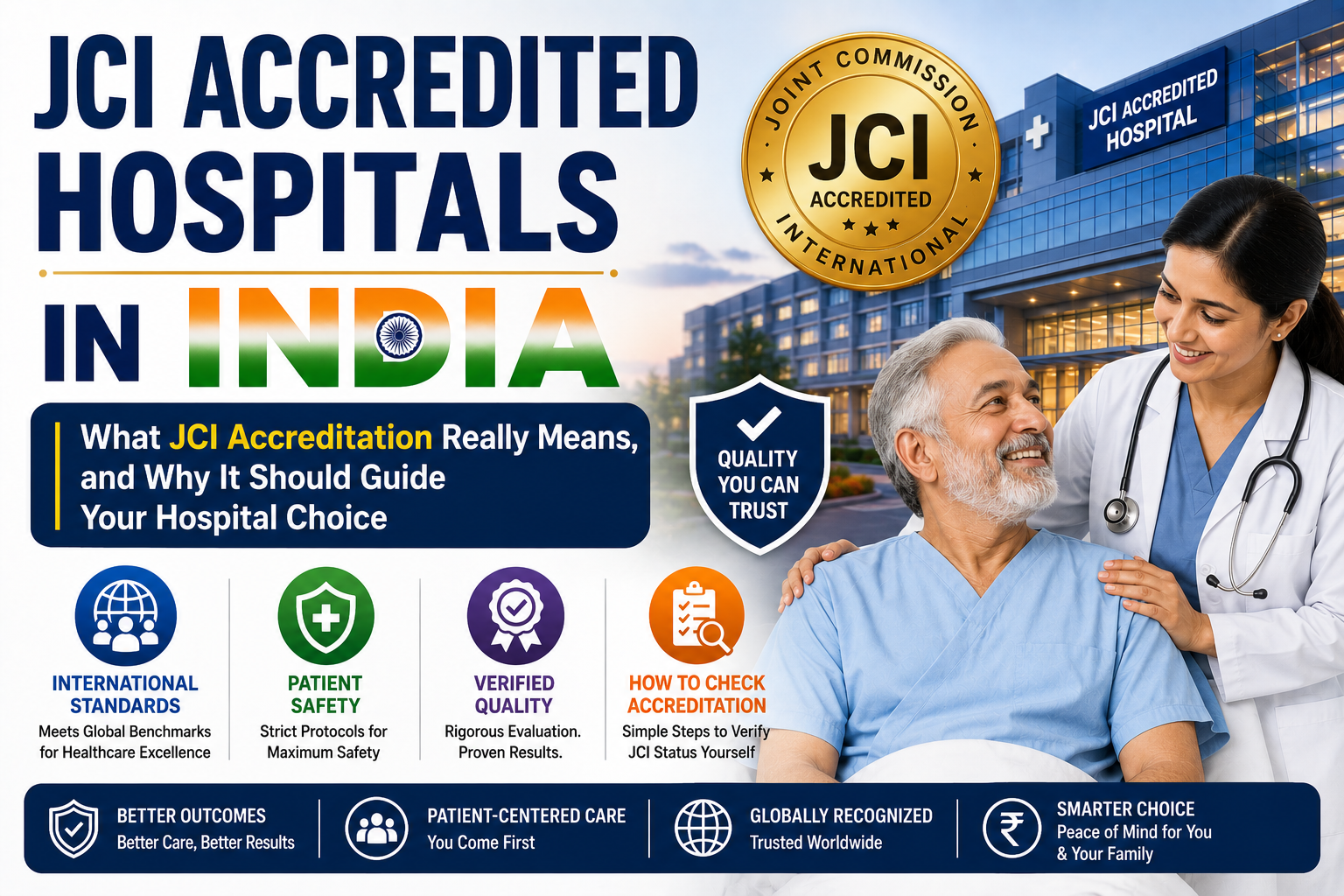
The gold standard for international hospital quality is JCI accreditation — Joint Commission International. This is the same body that accredits hospitals in the United States. India has more JCI-accredited hospitals than any other country in Asia.
Other quality markers to look for:
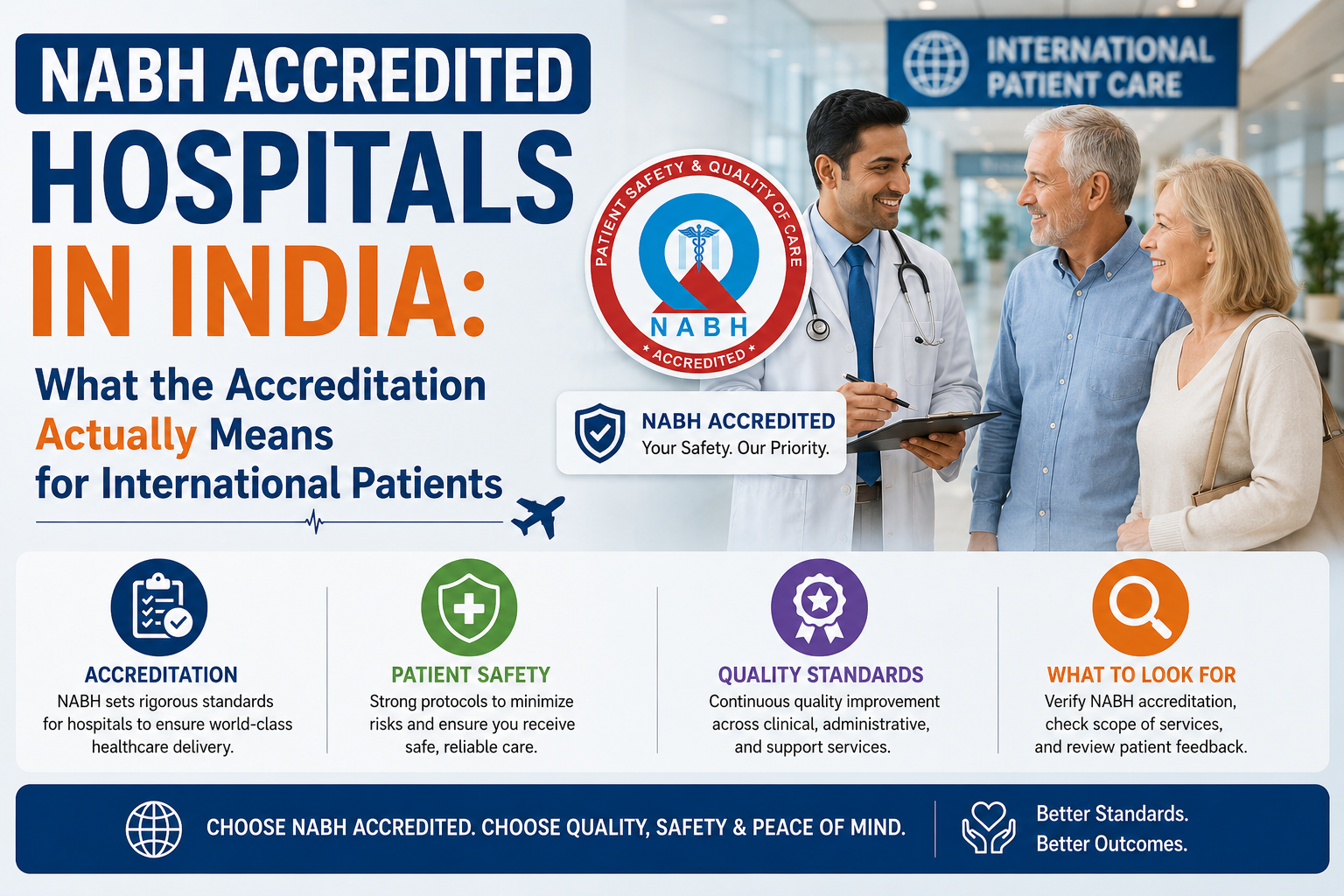
- NABH accreditation (National Accreditation Board for Hospitals) — India's own rigorous national standard
- ISO certifications
- Published success rates and patient outcome data
- Dedicated International Patient Departments (IPD)
What About the Doctors?
India produces some of the world's finest medical professionals. Indian doctors routinely train at institutions like Harvard, Johns Hopkins, and the Mayo Clinic. Many return to India after training abroad. The country's top medical colleges — AIIMS, CMC Vellore, PGI Chandigarh — are globally respected.
Top hospitals in cities like Mumbai, Delhi, Chennai, Hyderabad, and Bangalore attract surgeons who have performed thousands of procedures and often specialize exclusively in particular types of surgery — a level of focus that directly translates into better outcomes.
Which Medical Procedures Are Most Popular in India?
India has become a global destination for a wide range of medical procedures. Here are the most common categories:
1. Cardiac Surgery
India is arguably the best destination in the world for affordable cardiac care. Hospitals like Fortis, Apollo, Medanta, and Narayana Health perform tens of thousands of open-heart surgeries, bypass surgeries, valve replacements, and angioplasties every year. Success rates at top centers rival — and sometimes exceed — those in Western countries.
2. Orthopedic Surgery
Joint replacements (knee, hip, shoulder), spinal surgeries, and sports medicine procedures are extremely popular with international patients. Modern orthopedic centers in India use the same implants — many manufactured by the same companies — as hospitals in the US or UK, but at a fraction of the price.
3. Organ Transplants
Kidney, liver, bone marrow, and corneal transplants are performed at highly specialized centers across India. The country has developed significant expertise in living-donor transplant programs, and wait times are often shorter than in Western countries.
4. Oncology / Cancer Treatment
Cancer treatment in India covers the full spectrum — surgery, chemotherapy, radiation therapy, immunotherapy, and targeted therapy. Dedicated cancer institutes like Tata Memorial Hospital in Mumbai are globally renowned research and treatment centers.
5. Fertility Treatments (IVF and ART)
India has one of the largest IVF industries in the world. High success rates, experienced embryologists, and costs that are 70–80% lower than in the West make India a top destination for couples struggling with infertility.
6. Dental and Cosmetic Procedures
Dental implants, full-mouth restorations, smile makeovers, rhinoplasty, liposuction, breast augmentation — cosmetic procedures in India are popular not just for the savings, but for the quality of care. Many Indian cosmetic surgeons trained in Europe or the US and work in state-of-the-art clinics.
7. Eye Surgery
LASIK, cataract surgery, and corneal transplants are extremely well-priced in India. Leading eye hospitals like LV Prasad Eye Institute and Sankara Nethralaya are internationally recognized centers of excellence.
Which Hospitals Are the Best in India for International Patients?
Here are some of the most reputable hospital groups that regularly treat international patients:
Apollo Hospitals
One of India's largest and most recognized hospital chains, with facilities across Chennai, Hyderabad, Delhi, Kolkata, and more. Apollo was the first hospital in India to receive JCI accreditation and has treated patients from over 120 countries.
Fortis Healthcare
A premium hospital network with top-tier facilities in Delhi, Mumbai, Bangalore, and other major cities. Fortis is particularly renowned for cardiac care, neurology, and orthopedics.
Medanta — The Medicity (Gurugram)
One of Asia's largest multi-speciality hospitals, founded by the legendary cardiac surgeon Dr. Naresh Trehan. Medanta's cardiac program is considered among the best in the world.
Kokilaben Dhirubhai Ambani Hospital (Mumbai)
A premium facility with cutting-edge technology, including robotic surgery programs, gamma knife radiosurgery, and specialized cancer care.
Manipal Hospitals
A well-known group with hospitals across Bangalore, Delhi, Pune, and other cities. Strong reputation in orthopedics, neurology, and transplants.
Narayana Health
Founded with a mission to make healthcare affordable, Narayana Health offers world-class cardiac surgery at among the lowest prices anywhere in the world — while maintaining outstanding clinical outcomes.
How Does the Medical Tourism Process Actually Work?
People often imagine that going abroad for surgery is complex and frightening. In reality, reputable hospitals in India have it down to a smooth, well-organized process. Here's what the typical journey looks like:
Step 1: Initial Consultation and Cost Estimate
You share your medical records, diagnostic reports, and test results with the hospital's international patient department (IPD) — usually via email or an online portal. Within a few days, a team of specialists reviews your case and sends you a detailed treatment plan with a cost estimate.
Step 2: Travel and Visa Arrangements
India offers a dedicated Medical Visa (MED Visa) for patients traveling for treatment. It's valid for up to a year and allows multiple entries. The hospital's IPD team typically assists you with the visa invitation letter required for the application.
Step 3: Airport Pickup and Arrival
Most premium hospitals arrange airport pickup. A patient coordinator meets you on arrival, helps with check-in, and remains your primary point of contact throughout your stay.
Step 4: Pre-Surgery Consultations and Tests
You'll meet your surgeon and specialist team, undergo any necessary pre-op tests, and receive a clear breakdown of the treatment plan. This typically takes 1–3 days before surgery.
Step 5: Surgery and Recovery
The surgery is performed, and you recover in the hospital. Most international patients find the nursing care, room quality, and meals at top-tier Indian hospitals to be on par with or better than what they've experienced at home.
Step 6: Discharge and Follow-Up Care
You receive detailed discharge notes, prescription records, and digital copies of all your medical reports. Many hospitals now offer remote follow-up consultations so your care continues after you return home.
What Are the Best Cities for Medical Tourism in India?
Delhi / NCR (New Delhi, Gurugram, Noida)
The capital region is home to some of India's finest hospitals, including Medanta, Fortis Gurugram, AIIMS, Max Super Speciality, and Apollo Delhi. It's well-connected internationally and has excellent infrastructure for patients and their families.
Mumbai
India's financial capital is home to Kokilaben Ambani Hospital, Tata Memorial (oncology), Lilavati Hospital, and Jaslok Hospital. Mumbai has a cosmopolitan feel and excellent international flight connections.
Chennai
Often called India's 'Health Capital,' Chennai is particularly known for cardiac surgery, transplants, and cancer treatment. Apollo Chennai and Fortis Malar are leading destinations. The city has a long tradition of medical excellence.
Bangalore
India's tech capital is also a growing medical hub. Manipal Hospital, Narayana Health, and Fortis Bangalore serve large numbers of international patients, particularly from Africa, the Middle East, and Southeast Asia.
Hyderabad
Home to Apollo Hyderabad, Care Hospitals, and Yashoda Hospitals, Hyderabad is a strong destination for cardiac care, orthopedics, and fertility treatments.
Practical Tips for Patients Traveling to India for Surgery
1. Always Verify Accreditation
Before committing to any hospital, verify their JCI or NABH accreditation directly on the official JCI website or NABH portal. Don't take anyone's word for it.
2. Get a Second Opinion
Even after receiving a treatment plan from a hospital's IPD team, it's worth getting an independent second opinion — either from your home country or from another hospital in India.
3. Plan for More Time Than You Think You Need
Recovery can take longer than expected. Build buffer time into your travel plans. For major surgeries, plan to stay in India for at least 3–4 weeks after the procedure.
4. Bring a Companion
Having a family member or trusted friend with you makes an enormous difference — both practically and emotionally. Most hospitals have comfortable accommodation options for accompanying family members.
5. Understand What's Included in the Quote
Get a detailed breakdown of what the quoted price includes. Make sure it covers surgeon fees, anesthesiologist fees, operating theater charges, hospital room, nursing care, and standard medications. Ask specifically about what's not included.
6. Keep Your Home Doctor Informed
Share all your medical records and treatment plans with your primary care physician back home. Continuity of care is important, especially for post-surgery recovery and follow-up.
7. Purchase Travel Medical Insurance
Standard travel insurance may not cover planned medical procedures. Look for policies that specifically cover medical tourism, including potential complications and extended stays.
Who Travels to India for Surgery? Real-World Patient Profiles
Medical tourism to India isn't a niche or fringe thing. Millions of patients visit every year. Here are some common profiles:
- Uninsured or underinsured Americans who cannot afford surgery at home, even with payment plans.
- Patients from the UK, Canada, or Australia facing long NHS or public system wait times for elective procedures.
- Patients from Africa, the Middle East, and Central Asia seeking care that isn't available locally.
- Non-resident Indians (NRIs) living abroad who prefer to combine family visits with medical care.
- Patients seeking specialized procedures or surgeons not available in their home country.
- Retirees on fixed incomes who simply cannot afford Western healthcare prices for elective or semi-elective procedures.
India receives over 500,000 international medical tourists every year, generating more than $9 billion in medical tourism revenue annually — making it one of the top three global medical tourism destinations.
What Are the Risks? Let's Be Honest
Any balanced guide needs to address the risks. Medical tourism to India, like any healthcare decision, carries considerations to be aware of:
Quality Varies by Hospital
The gap between a tier-1 JCI-accredited hospital and a small clinic in a smaller city can be enormous. Do not compromise on the quality of the facility.
Post-Surgery Complications at Home
If complications arise after you return home, your local doctors may be unfamiliar with the procedures performed or the specific implants used. Thorough documentation and keeping your home doctor informed can mitigate this.
Travel Stress on Recovery
Long-haul flights too soon after surgery (especially orthopedic or cardiac procedures) can be physically taxing. Deep-vein thrombosis (DVT) is a real risk. Always follow your surgeon's specific advice on when it's safe to fly.
Language and Communication
At top-tier international hospitals, English is spoken fluently. At smaller facilities, communication can occasionally be a challenge. Always confirm English-language support before committing.
Mediators and Brokers
Be cautious of third-party medical tourism brokers who take large commissions and may not have your best interests at heart. Whenever possible, contact the hospital's International Patient Department directly.
Frequently Asked Questions
Is it legal to travel to India specifically for medical treatment?
Yes, absolutely. India has a dedicated Medical Visa category specifically for this purpose, and the Indian government actively promotes medical tourism as a legitimate industry.
How do I know if my hospital is legitimate?
Check for JCI or NABH accreditation. Look for verifiable patient reviews on platforms like Google, Practo, or international medical tourism forums. Ask the hospital for references from past international patients.
What if something goes wrong?
Reputable hospitals have clear protocols for complications and emergencies. Before traveling, discuss with the hospital what their protocol is for managing complications, extended stays, and how they handle emergency situations.
Can I bring my medical records?
Yes, and you should. Bring physical copies and have digital copies saved on a cloud service or email. The more information your Indian medical team has, the better they can plan your treatment.
What about aftercare once I'm back home?
This is something to arrange before you leave. Inform your home doctor about the planned procedure, share the hospital's contact details, and ensure your discharge notes are comprehensive. Many Indian hospitals now offer telemedicine follow-ups.
Final Thoughts: Is Affordable Surgery in India Right for You?
Here's the bottom line: India offers genuinely world-class surgery at prices that are simply not available anywhere else in the world. The best hospitals rival any facility in the US or UK in terms of technology, surgical expertise, and patient care standards.
But this only holds true if you choose the right hospital, do your homework, and approach the process thoughtfully. It's not a decision to make based on the lowest price alone — it's a decision to make based on the best combination of quality, expertise, and value.
For millions of people around the world, surgery in India has been not just affordable, but life-changing. It's allowed people to get procedures they never could have afforded at home, often with outcomes that exceeded their expectations.
If you're considering it, the best next step is to connect directly with the International Patient Department of a JCI-accredited hospital that specializes in your required procedure, share your medical records, and get a detailed treatment proposal. You might be surprised by what's possible.
Your health shouldn't be a luxury. And with the right information and the right hospital, it doesn't have to be.
🫀 Need Expert Cardiac Care?
Our experienced cardiac surgeons can help you understand your options and plan the best treatment.