
Heart Bypass Surgery, also known as Coronary Artery Bypass Grafting (CABG), is a surgical procedure performed to improve blood flow to the heart when coronary arteries become blocked or severely narrowed due to plaque buildup.
In this procedure, surgeons take a healthy blood vessel from another part of the body—usually the leg, arm, or chest—and create a new pathway (bypass) around the blocked artery. This allows oxygen-rich blood to reach the heart muscle more effectively, relieving symptoms such as chest pain (angina), fatigue, and shortness of breath.
Heart Bypass Surgery is one of the most common and successful cardiac surgeries worldwide. It significantly reduces the risk of heart attack, improves heart function, and helps patients return to a healthier and more active lifestyle.
Advanced Cardiac Surgery for Long-Term Heart Health
The heart is an important organ in your body. It is a muscular organ about the size of your fist. The coronary artery supplies blood to the heart so that it can pump blood to the rest of your body. However, the arteries can sometimes get blocked and restrict blood flow to the heart.
It can raise the chances of cardiovascular diseases and heart attacks. Your surgeon will recommend heart bypass surgery in such cases.
Heart-by-pass surgery, also known as coronary artery-by-pass grafting (CABG), is a procedure used to treat coronary heart disease. Today, CABG has become quite common worldwide. However, in some countries, you have to pay hefty fees and wait a long time for this surgical procedure. Hence, such heart patients look for medical tourism options.
Our experienced specialists provide advanced treatment with proven outcomes. Connect with the right doctor for personalized care.
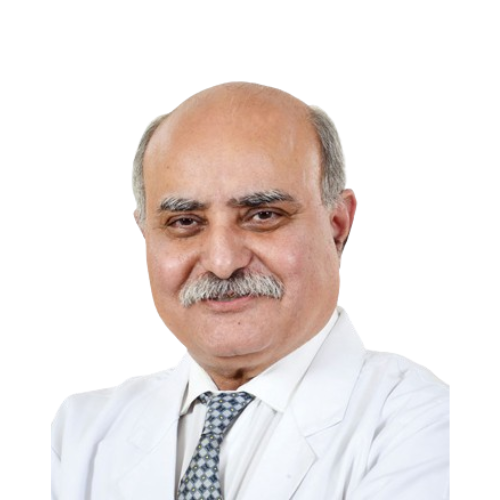
Cardiologist, Chairman
Dr. Ajay Kaul is considered one of the top 10 cardiologists in India. He graduated from Bombay University and then completed a Master's degree in cardiothoracic…
View Profile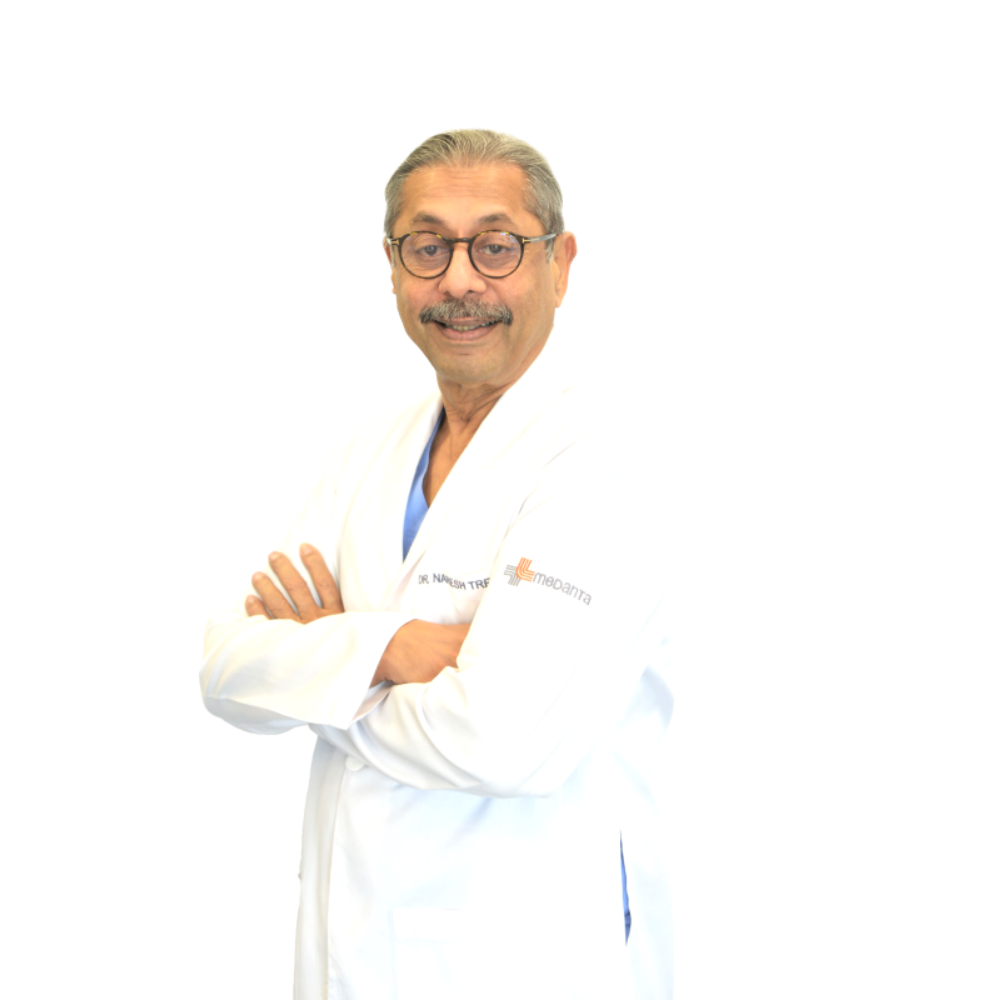
Cardio Thoracic Surgeon, Chairman
Dr. Naresh Trehan is a Cardiovascular and cardiothoracic surgeon with more than 42 years of experience. He has performed more than 50,000 heart surgeries. Dr. Naresh…
View Profile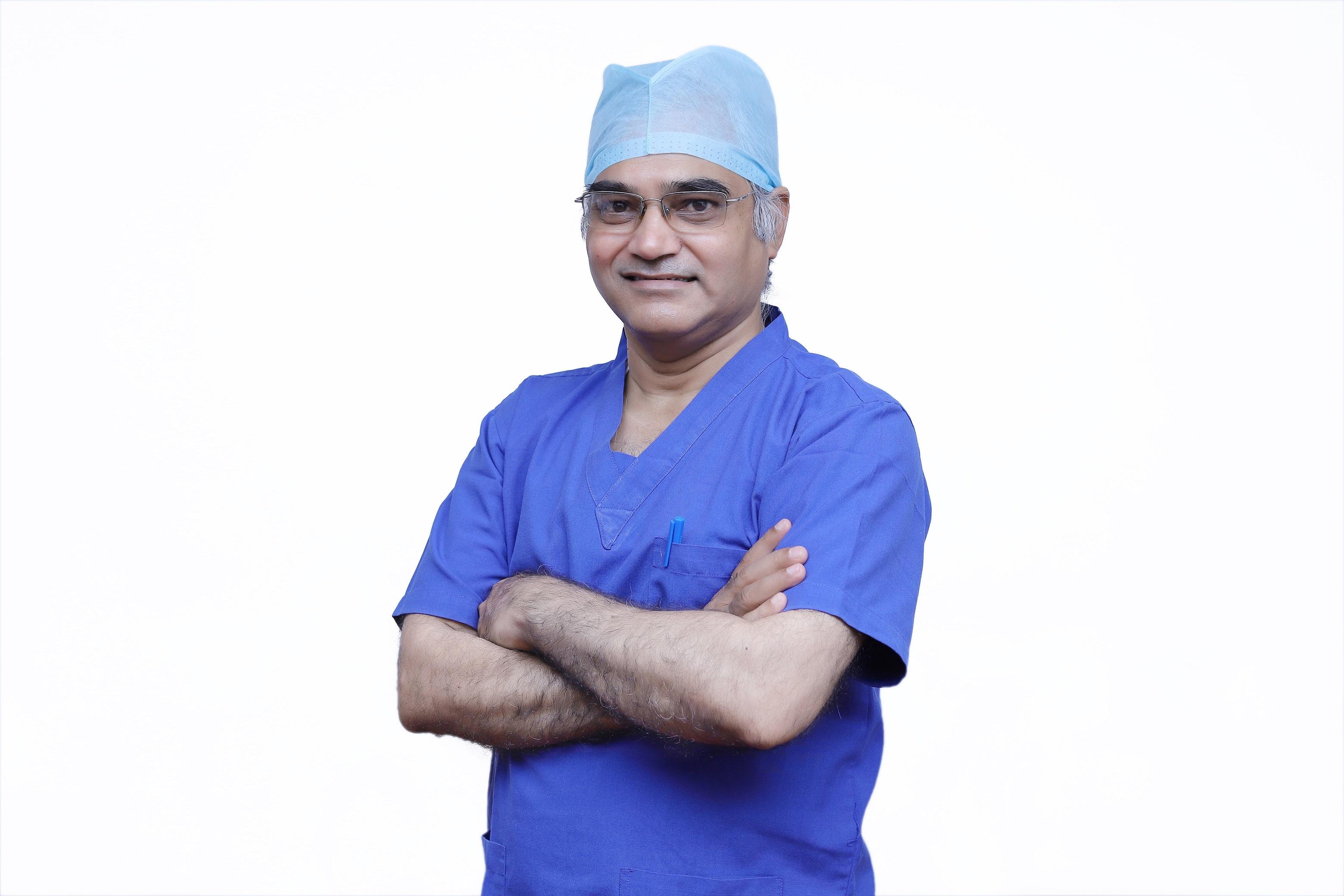
Cardiologist, Director
Dr Sanjay Gupta is quite popular for cardiac operations. He has more than 30 years of experience and is currently working at Fortis Hospital, New Delhi. He completed…
View Profile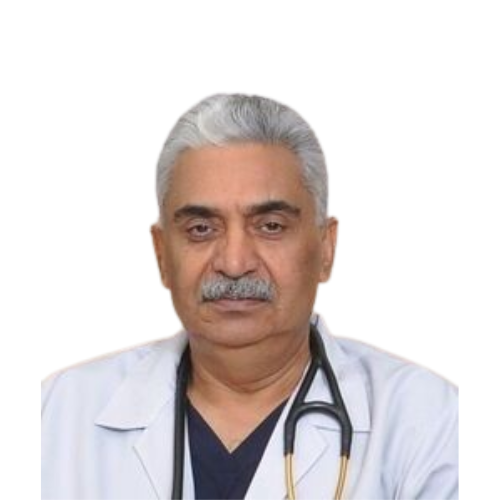
Cardiac Surgeon, Chairman, HOD
Dr. TS Kler is a renowned Cardiac Surgeon in India. He currently heads the Department of Cardiology at Fortis Memorial Research Institute, Gurgaon. The doctor has…
View Profile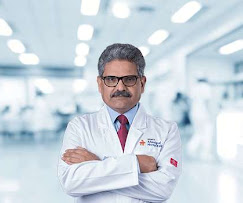
Cardiac Surgeon, Chairman
Dr. Y.K. Mishra is considered one of the best Cardiac surgeons in India. He completed his bachelor's degree from S.S. Medical College, Rewa, M.P. in medicine. …
View ProfileCoronary arteries are the main blood vessels that supply oxygen and nutrients to the heart. However, they can become blocked because of plaque (a combination of fat and cholesterol), which restricts proper blood flow to the heart. You are more likely to develop plaque in your coronary arteries when you are overweight or smoke excessively. This condition is known as coronary heart disease.
The narrowing of coronary arteries can cause shortness of breath, fatigue, and chest pain.
You can be treated with medicine, but severe chest pain or frequent shortness of breath can be treated only with heart bypass surgery or coronary artery bypass grafting.
Again, if the plaque in your coronary arteries ruptures and creates a blood clot, it can trigger a heart attack. In such cases, coronary artery bypass grafting can greatly lessen the chances of your heart attack. During the surgery procedure, your surgeon will create an alternate route or bypass around the blocked coronary artery and thus restore normal blood flow to your heart.
The surgeon takes healthy blood vessels from the chest or leg and attaches them to the above and below the narrow area in the coronary artery. The number of grafts required depends on the severity of your coronary heart disease.
You will have surgery after giving general anaesthesia, which means you will remain unconscious during the entire heart bypass surgery.
The surgery will improve your heart function and increase the quality of your life. But still, you need to adopt a healthy lifestyle, do exercises, and take medications to prevent another blockage in your coronary artery.
There are three main types of heart bypass surgery, and each method differs in its technique and recovery time.
Traditional Open CABG
Here, the surgeon will make a long cut on your chest and split the breast bone to access the heart. The surgeon will temporarily stop the heart's functions. A machine will perform blood circulation functions.
It allows the surgeon to work on a still heart. He will remove healthy blood vessels from your leg or other parts of your body and attach them to the blocked arteries. The surgeon will then restart the heart functions by giving mild electric shocks. He will then close the breastbone and use stitches to close your skin.
The recovery time will take longer because of the large cut in your chest. You have to stay in the intensive care unit for a few days, and then you will be moved to the general room. You have to stay in the hospital for more than a week.
However, the traditional open CABG is associated with certain risks. Here, the surgeon stops the functions of the heart for some time, which increases the chances of stroke, especially in older adults.
Offpump Bypass Surgery
One of the best things about off-pump bypass surgery is that the surgeon will not stop the functions of the heart temporarily. Thus, it reduces the chances of stroke or heart attack, as in the case of traditional open CABG.
Here, the surgeon will make a large cut in your chest. The surgeon then uses mechanical stabilizers to keep only a certain part of the heart steady while the other parts of the heart perform their normal functions. This procedure is suitable for patients with chronic lung disease, kidney problems, or advanced atherosclerosis of the aorta.
Minimally Invasive Bypass Surgery - This surgery involves making a small incision, so recovery time is faster compared to the above two surgeries. You are discharged from the hospital after 2-3 days of surgery and can resume all your normal activities after 2-3 weeks of surgery. Minimally invasive bypass surgery is less painful and has a low risk of complications. It is a good option for older adults or patients with several health problems.
Book your consultation with our specialists today
You will have a complete medical evaluation before the heart bypass surgery. You are most likely to have the following medical evaluation.
Your cardiac surgeon will explain the types of heart bypass surgery and its benefits and risks. He will even recommend the type of heart bypass surgery that will be best for you after seeing the medical evaluation results.
You will be given a consent form before the surgery. Read all the details in the form and then sign it. You cannot eat or drink for at least 8 hours before the surgery. Inform your healthcare provider if you are allergic to any medications.
Inform your doctor about all the medicines you are taking, including herbal medicines. Also, inform your doctor if you have a history of bleeding disorders. If you are taking any blood thinner medications, your doctor will tell you to stop them before the surgical procedure.
If you have the habit of smoking, then stop it immediately. It will help you recover early and benefit your overall health. Inform your doctor if you have any other implants in your heart.
Managing preexisting conditions like diabetes and blood pressure is quite important before the surgery. It will reduce complications during and after the surgery. For instance, if your blood sugar level is normal before the surgery, then the risk of infection will be reduced.
Similarly, if your blood pressure is normal before the surgery, then you will have less strain on your heart.
The cost of health and surgery treatment is rising globally. There are even longer waiting times for surgery in many countries. Medical tourism is an attractive option for heart bypass surgery patients who are looking for cost-effective, timely, and high-quality treatment.
The hospitals in India, Singapore, and Turkey have access to advanced technologies. You can have bypass heart surgery at an affordable cost. These hospitals use minimally invasive surgery techniques or robotic surgery systems that can help you recover faster.
The waiting times are even shorter here compared to Western countries. Another advantage is that countries like India are quite renowned for world-class hospitals. These hospitals have a good reputation for cardiac surgery. The surgeons in these hospitals are highly qualified and experienced and have received international training.
Many hospitals in India offer rehabilitation programs, follow-up consultations, and remote monitoring services, which will help international patients maintain their cardiovascular health even after returning home.
Racure Healthcare is a renowned medical tourism company. The company will schedule a virtual consultation with the cardiac specialist before your journey. The company provides treatment-related services, logistic services, and travel-related services. You can visit the company website to learn more about Racure Healthcare and its services.
Heart bypass surgery in the United States costs $70,000 to $200,000. Medical tourism destinations like India, Turkey, and Singapore offer the same procedure, which costs $5500 to $7000. These costs include surgery, hospital stay, medications, and follow-up care.
Some international hospitals offer all-inclusive packages that include surgery, rehabilitation, and travel. Patients can also take advantage of international medical insurance plans.
I was hesitant to have heart bypass surgery abroad, but after reading some positive reviews, I came to India for it. The medical team in the hospital was incredible, and the surgeon was highly skilled. My heart bypass surgery was done at a fraction of the cost compared to the surgery cost in the U.S. I was fully supported from my travel to India to the surgery and recovery.
I had long waited times for heart bypass surgery, so I decided to have it in India. I was impressed with the hospital. It was equipped with advanced technology. The medical staff is highly professional. The surgeon is skilled and well-experienced. The cost is much lower in India.
Heart bypass surgery is usually recommended for patients with coronary heart disease. This surgery restores blood flow to the heart and improves heart functions. It even reduces symptoms like chest pain and shortness of breath. After the surgery, you are less likely to have a heart attack.
High healthcare costs and long waiting times are problems faced by cardiac patients in some countries. So, they opt for medical tourism destinations. These destinations offer high-quality heart bypass surgery at an affordable cost.
With advanced surgical techniques, including minimally invasive and off-pump bypass surgery, patients today experience faster recovery, less discomfort, and excellent long-term outcomes.
Yes, you can do almost all the normal activities after six weeks of surgery.
Coronary bypass operations have a success rate of 98 per cent. It restores normal blood flow to the heart.
You will feel tired most of the time for 3-6 weeks after the heart bypass surgery. But after six weeks, you can do most of your normal activities.
There is no age limit for bypass surgery. Heart disease can affect people of any age and any gender.
Heart bypass surgery involves certain complications like bleeding, infection at the wound site, irregular heart rhythm, and kidney problems.
You will feel discomfort for three days after the surgery, and your throat may experience soreness. Doctors will prescribe pain relief medications.