📑 Table of Contents
- Spine Surgery in India: Why German Patients Are Choosing India for Advanced Spine Treatment
- Degenerative Disc Disease
- Scoliosis
- Cervical Spine Disorders
- Microdiscectomy
- Laminectomy
- Spinal Fusion
- Disc Replacement
- Scoliosis Surgery
- Minimally Invasive Spine Surgery in India
- Spine Surgery Costs in India Versus Germany
- Technologies That Keep Patients Safe
- Robotic Systems Used in Spine Operations
- Keeping an Eye on the Nerves During Surgery
- Implants Made With 3D Printing
- What Sets Indian Spine Hospitals Apart from Others?
- How to Pick the Right Hospital for Your Spine?
- Why Are Patients from Germany Now Choosing Spine Surgery in India?
- What Should German Patients Know Before the Flight to India?
- FAQs
Spine Surgery in India: Why German Patients Are Choosing India for Advanced Spine Treatment
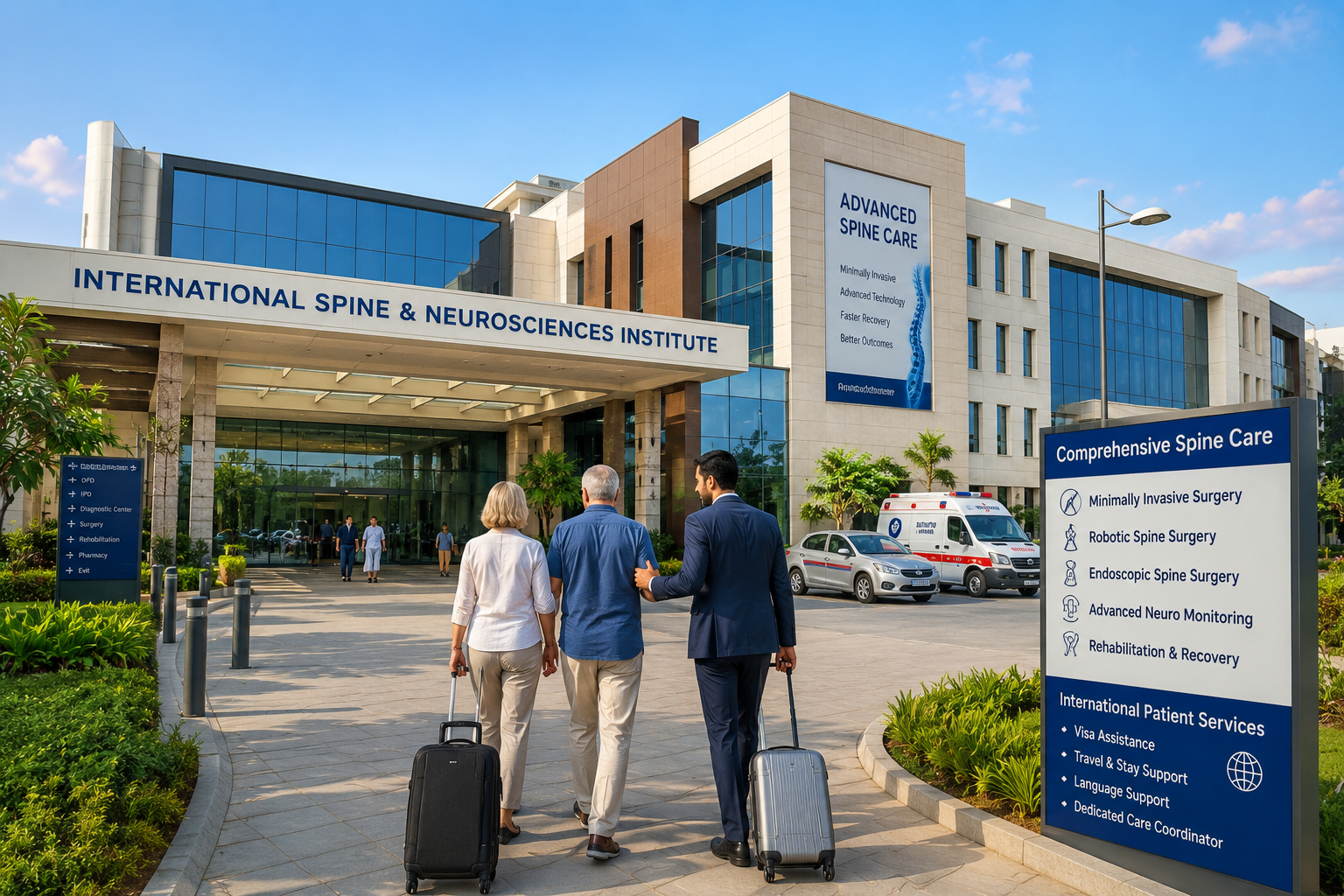
Lots of folks in Germany think you have to go to Europe for top-notch spine surgery. But guess what? Advanced spine treatment in India has gotten really popular with international patients looking for great medical care at an affordable price. Each year, Indian hospitals carry out thousands of intricate spine operations using equipment on par with what you'd find in major European hospitals. Plus, costs are usually 50% to 80% cheaper than in Europe. And that's not all patients there get treated by doctors trained overseas, receive accreditation from JCI and NABH, and don't face long waits for care. The industry is big too. It was worth USD 558.19 million in fiscal year 2024, and it's forecasted to reach USD 863.79 million by 2032, growing at a rate of 5.51% yearly.
Degenerative Disc Disease
Degenerative disc disease starts to show itself when your spinal discs start to lose that water content and structural strength over time. It's a natural part of getting older. You can expect symptoms like:
- Chronic neck pain that sticks around
- Persistent back pain that just won't quit
- Nerve-related symptoms, like numbness or tingling in your limbs
- Reduced flexibility you might find you're not quite as bendy as you used to be
Degenerative disc disease isn't the only spinal issue needing surgery; many other problems are too. In India, surgeons tackle a ton of these cases, ranging from simple to complex. They use lots of techniques, including fusion and methods that preserve motion, building up loads of experience in the process.
Scoliosis
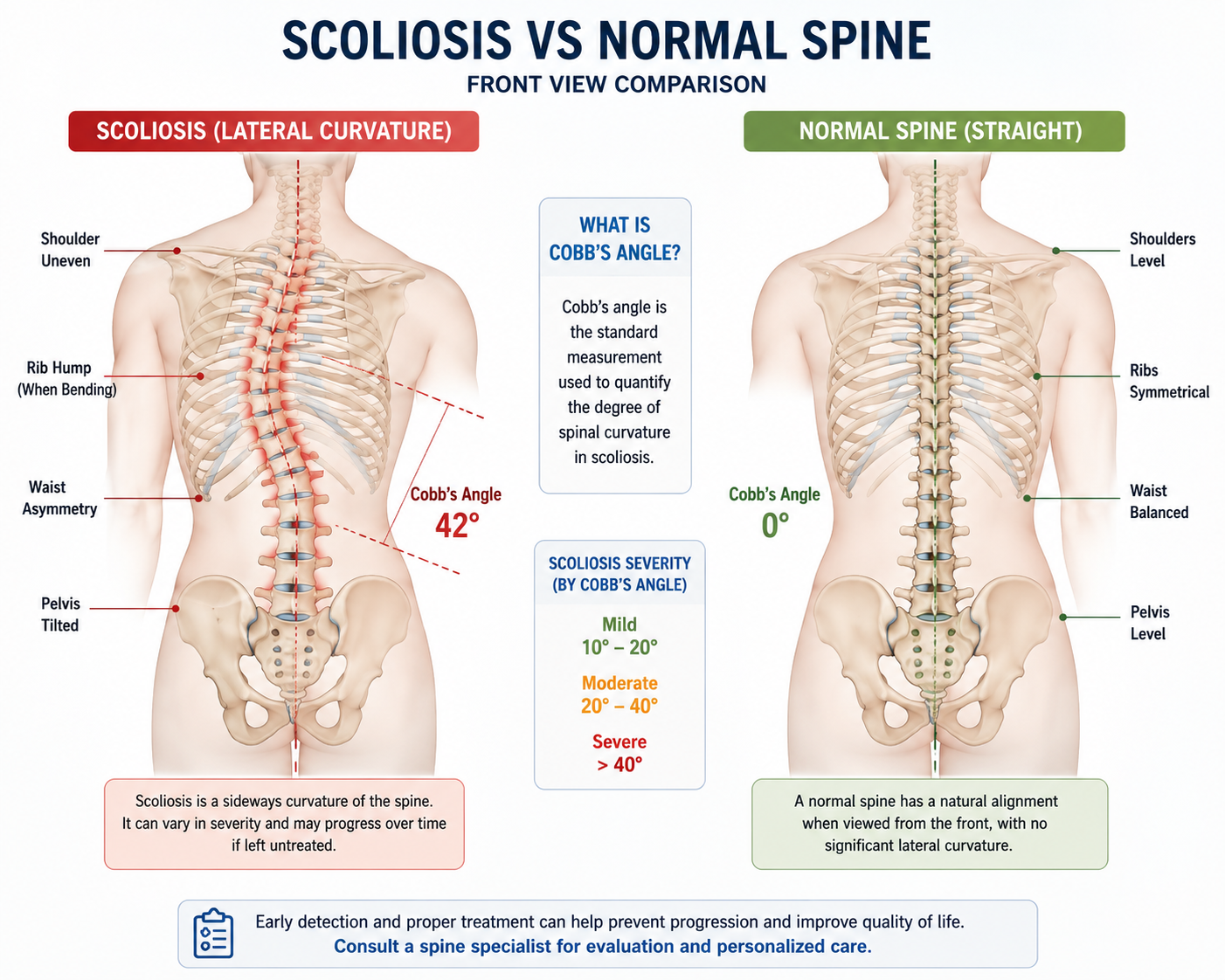
Scoliosis is when your spine gets a bit wonky and starts to curve to one side. While mildly curvy spines might not need surgery, really severe curves can cause all sorts of problems like:
- A postural imbalance you might start to slouch or lean to one side
- Chronic pain that just hangs around
- Reduced lung function because your spine is getting in the way
- A progressive spinal deformity which can get worse over time
There are some excellent specialist spine centres across India that can provide corrective procedures to help sort out these cases.
Cervical Spine Disorders
It’s your neck the cervical part of the spine that's the focus here. The common complaints you'll see include:
- Cervical disc herniation (a bit of a mouthful, but basically it's when the soft insides of a spinal disc bulge out)
- Cervical stenosis (this is when the spinal canal starts to close up not a good sign)
- Degenerative disc disease (essentially your spinal discs are just starting to break down and it's a real pain in the neck)
- Cervical myelopathy (this is a condition where the spinal cord starts to get damaged a serious business indeed)
Lots of patients will complain of neck pain and numbness in the arms, or even weakness in the hands just generally feeling a bit off kilter. There are procedures like Anterior Cervical Discectomy and Fusion (ACDF) and even more modern methods like cervical disc replacement that can really help take the edge off.
- Lumbar Spine Disorders
The lower back (or lumbar spine) does a lot of the heavy lifting literally, it bears a huge amount of the body's weight and it's not surprising that this makes it particularly vulnerable to strain and injury. The common problems you'll often see include:
- Herniated lumbar discs (where the soft insides of a spinal disc bulge out through a weakened annulus - try saying that 5 times fast)
- Lumbar stenosis (more of the same the spinal canal is closing up and it's causing problems)
- Spondylolisthesis (this is when a vertebra has slipped forward on the one below it not nice)
- Degenerative instability (essentially the spinal joints just aren't as stable as they used to be)
With so many patients suffering from these conditions, they're a big focus of medical research and treatment in this country.
- Spinal Tuberculosis (Pott's Disease)
Spinal TB is an area where Indian spine surgeons have a lot of experience after all India carries a pretty massive portion of the world’s burden of TB. TB is a big deal everywhere about 26% of the global cases are here in India which is why you'll see many surgeons working on this condition all the time. A big 5-year study involving 1652 patients with spinal TB found some pretty interesting things like:
- Median patient age was 32.4 years (which is relatively young, to be honest)
- A whopping 98% of patients had axial pain (just to put that into perspective that's a lot of pain)
- Around 19% of patients had some sort of neurological deficit (not great)
Lots of patients are able to respond to treatment and make a full recovery. However for some around 10.5% of cases to be precise things can get a lot worse and they may need surgical decompression or stabilisation to fix the problem.
Spine Surgery Options in India - What Are Your Choices?
[IMAGE PROMPT: Medical infographic showing 6 spine surgery options as icons: microdiscectomy, laminectomy, spinal fusion, disc replacement, scoliosis surgery, minimally invasive surgery, with labels and brief descriptions, flat blue design]
India really has got the lot when it comes to spine treatments from the stealthiest minimally invasive operations to reconstructive surgery that can sort out the most tricky spinal problems out there.
Microdiscectomy
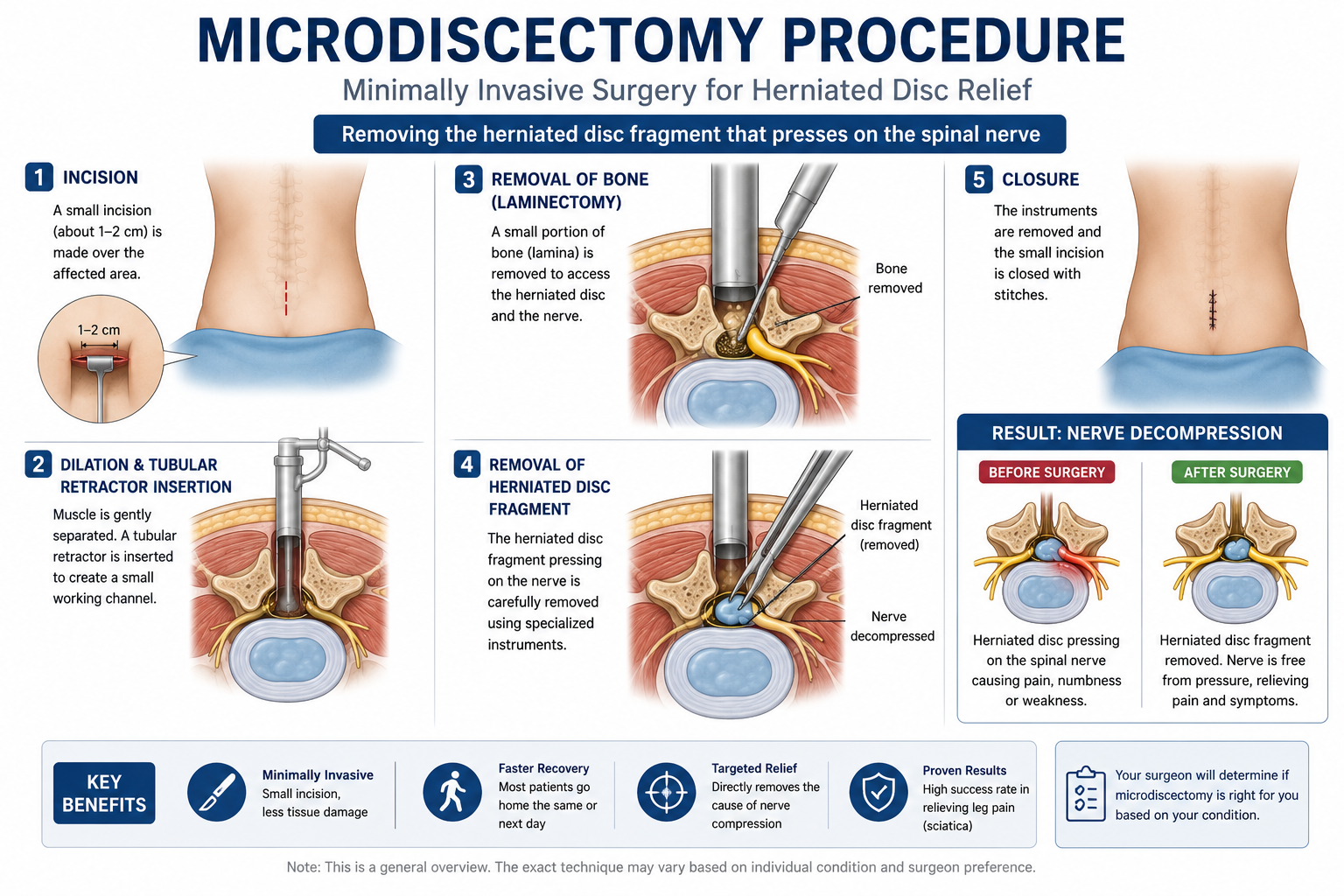
If you've got a herniated disc in your lower back that's driving you nuts with pressure on your nerves, a microdiscectomy is usually the way to go. When you have the surgery, the surgeon goes in and simply takes out the bit of the disc that's causing the problem without disturbing the rest of the surrounding tissue. This is usually the route people who've tried every other option take, as they're still stuck with leg pain, numbness or weakness and this seems to be a pretty effective way to get some real long-term relief especially in cases where a herniated disc is causing the problem. And the numbers don't lie this treatment seems to deliver relief from severe leg pain caused by herniated discs in around 85% of cases which is pretty darn impressive.
Laminectomy
Laminectomy is a pretty standard solution for spinal stenosis. In this procedure, the surgeon whips out a bit of the vertebral bone called the lamina. It creates room for the squished nerves to relax and breathe. The main aim is to relieve pressure from nerves or the spinal cord and fix issues like pain, numbness, and trouble walking.
Spinal Fusion
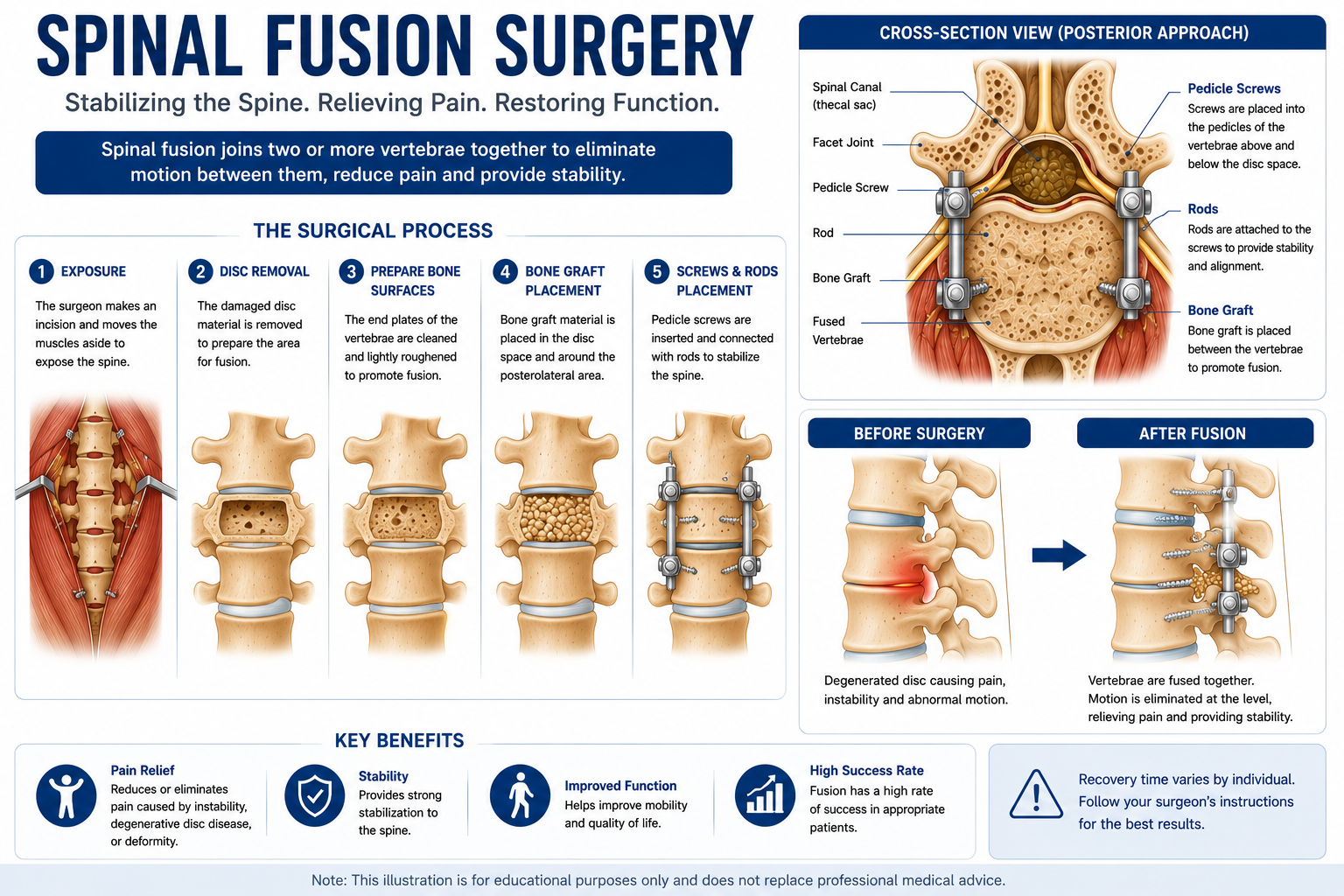
Spinal fusion surgery in India is a common treatment for patients with spinal instability, degenerative disorders that are in pretty bad shape, spondylolisthesis which can cause the spine to slip or just plain spinal deformities. The procedure essentially fuses two or more vertebrae together using some hardware and bone to take a spare part from. It's meant to sort out the spine and make the affected bit a lot more stable. It's been found in the clinic that spinal fusion is pretty effective, and about 80% of patients get a solid bone union and their spine gets put back into a pretty stable state.
Disc Replacement
Disc replacement surgery in India is a bit of an alternative for patients who have pretty badly degenerated discs. Unlike spinal fusion which can limit movement a fair bit, surgeons will actually swap the dodgy disc out with an artificial one that's designed to keep the spinal movement going. Some of the disc replacement surgeries, like Anterior Cervical Disc Replacement, have shown that patients experience a pretty big reduction in pain. You can see from some of the studies that patients had pre-surgery pain levels at around 7.8 or 8.2 on a scale of 1 to 10, and after a year or so most were down to around 2 out of ten.
Scoliosis Surgery
Scoliosis surgery is used to sort out the spinal curve that's causing patients pain, or making everyday activities hard, or even creating a noticeable deformity that patients don't want to have around. Most of the time, this involves using some sort of spinal instrumentation, like rods and screws, to realign and stabilise the spine. Over the last few decades or so, there has been a big increase in the number of people using spinal instrumentation which is good news for those patients who need this sort of complex operation.
Minimally Invasive Spine Surgery in India
Minimally invasive spine surgery is really taking off in India. It makes spinal care so much better. Compared to traditional open surgery, these new techniques are way superior. They cause less damage to the body, plus recovery is faster; it's a total win.
- You're talking about a lot less damage to the tissue.
- Recovery time is way faster.
- Scars are tiny.
- People can get out of the hospital a lot sooner.
Specialised instruments that get inserted through tiny cuts in the muscle mean surgeons can do these procedures without having to 'go big' with the incisions. And let's be honest the speed of recovery is a major bonus. Patients love getting back to their normal lives, no fuss. One of the standout stats is how quickly people can get back to work. Selected patients can be back in their jobs in just 2 weeks with a full Transforaminal Endoscopic Discectomy. And if that's not enough to put the pedal to the metal on minimally invasive procedures, consider this: Day-care and ambulatory spine surgeries are on the rise so much so that from 201x to 201y they shot up from 36.1% to 49.1% of all spine surgery claims.
Spine Surgery Costs in India Versus Germany
Saving money is one reason patients look at spine surgery in India so seriously. India keeps costs low because its healthcare system works well, not because quality drops. For patients coming from other countries, the savings can change everything.
|
Procedure |
India |
Germany |
|
Microdiscectomy |
₹1.5–3 lakh (€1,600–3,200) |
₹8–15 lakh (€8,500–16,000) |
|
Laminectomy |
₹2–4 lakh (€2,100–4,300) |
₹10–18 lakh (€10,500–19,000) |
|
Spinal Fusion |
₹3–8 lakh (€3,200–8,500) |
₹18–35 lakh (€19,000–37,000) |
|
Disc Replacement |
₹4–9 lakh (€4,300–9,500) |
₹20–40 lakh (€21,000–42,000) |
|
Scoliosis Surgery |
₹5–12 lakh (€5,300–12,800) |
₹30–60 lakh (€32,000–64,000) |
|
Minimally Invasive Spine Surgery (MISS) |
₹2–6 lakh (€2,100–6,400) |
₹12–25 lakh (€13,000–27,000) |
|
Endoscopic Spine Surgery / Transforaminal Endoscopic Discectomy |
₹1.8–4 lakh (€1,900–4,300) |
₹10–20 lakh (€10,500–21,000) |
Technologies That Keep Patients Safe
India's top spine centres have brought in new surgical tools that help surgeons work with more control and less risk.
Robotic Systems Used in Spine Operations
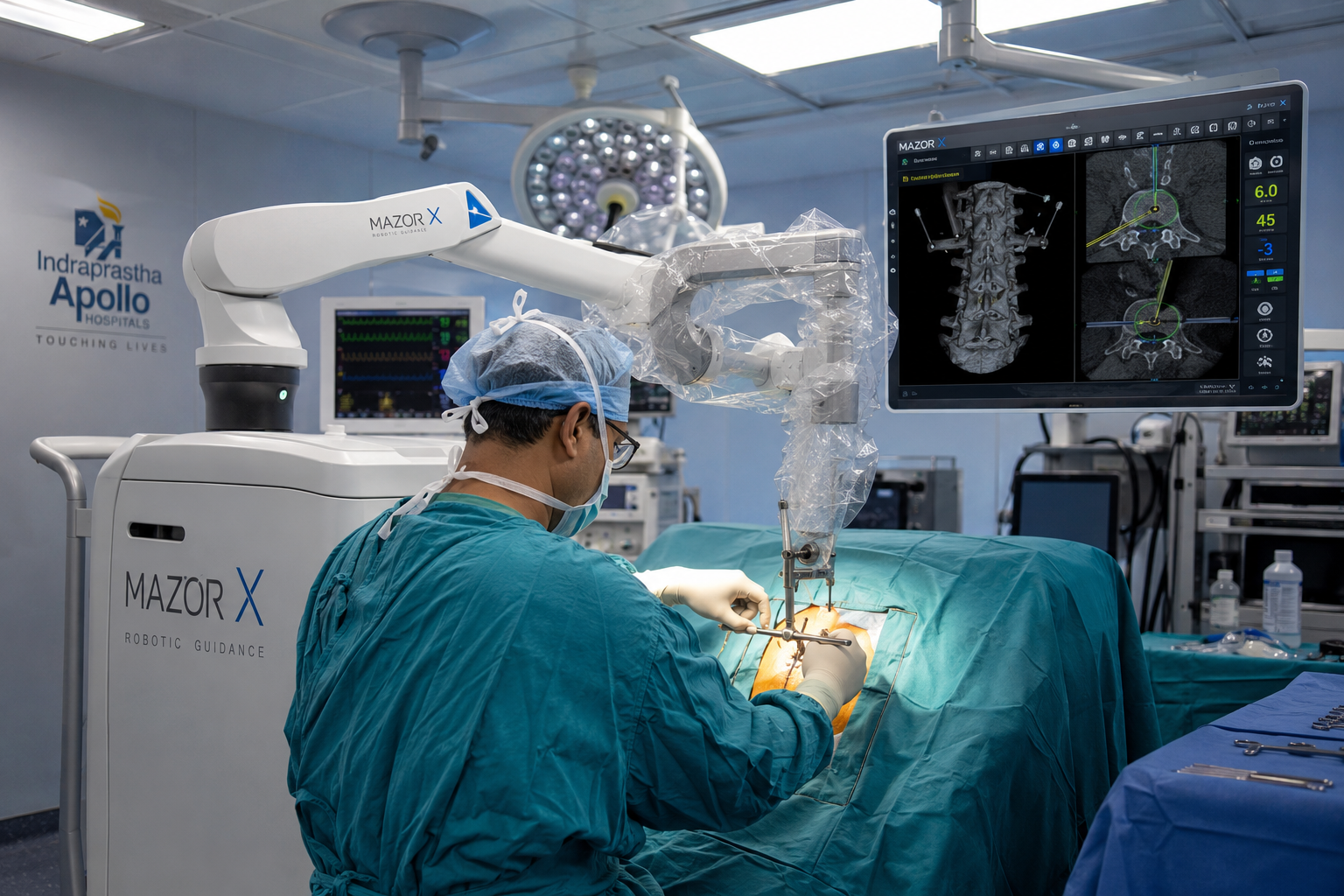
Many top spine hospitals in India now use robotic platforms like Mazor X Stealth Edition and Medtronic StealthStation. These systems let surgeons plan the operation in detail before it starts and then place instruments with high accuracy. Studies show that screw placement accuracy with these robotic systems reaches between 93% and 100%. This is a big deal because spinal implants are sited in a very sensitive area right next to nerves and blood vessels. Research has shown that the use of robotic tools makes a real difference, not least by sharply reducing the number of wrong implant placements, cutting down on the radiation exposure for the surgical team & slashing the risk of needing a second operation down the line. The upshot of this is that the surgery is safer and the results are way more predictable for patients.
Keeping an Eye on the Nerves During Surgery
Intraoperative neuromonitoring, or IONM, is now the go-to choice for surgeons performing complex procedures like scoliosis correction and deformity surgery. They use special gear to keep an eye on the spinal cord and nerves in real time. This works thanks to techniques like somatosensory and motor evoked potentials. If any issue arises, the team gets immediate alerts, allowing them to fix problems right away and avoid harm. So, IONM is a real game-changer in surgeries involving the spine. The equipment watches the spinal cord and nerves using special methods, giving instant feedback. If there are issues, surgeons can address them instantly, stopping damage before it starts. Medical papers describe IONM as a vital part of safety in modern spine surgery, pointing out that it's a big reason why neurological problems during high-risk procedures have dropped. This technology has boosted the security of these procedures, making leading spine centres way more reliable and successful at protecting nerve function. Surgeons today depend on it to make tricky operations smoother and safer.
Implants Made With 3D Printing
Advanced spine centres now use 3D-printed implants made specifically for each patient from their CT scans. This allows a perfect fit using titanium. Regular implants just can't match that. The unique part is that 3D-printed versions mimic the look of actual bone. Because of this, they promote bone growth that locks the implant in place better. Studies show these special implants not only help with that but also reduce sinking and distribute weight evenly. Plus, these implants generally last longer and work great for folks with tumours, spinal defects, or those needing repeated surgeries. Overall, the benefits are clear better outcomes tailored to what the patient needs.
What Sets Indian Spine Hospitals Apart from Others?
Picking the right hospital for spine treatment in India really is everything when you're planning your care. Lots of countries do spinal surgery, but when you talk about India's top-notch hospitals, they've got all the right ingredients baked in a huge number of operations under their belt, the latest technology, and recognition from around the globe, all in one convenient package. When German patients start looking into spine hospitals in India, there are a few things they should be keeping an eye out for:
- JCI accreditation: You want to know that the hospital is held to a high standard
- NABH accreditation: That's basically the same, just from a slightly different agency
- Spine surgery volume: More operations means they're probably more experienced
- Some of those hospitals use robotic navigation systems which is pretty cool
- Make sure intensive care facilities are on hand just in case
- When you're recovering, do they have a solid system in place for rehabilitation support?
- Finally, international patient services can be a big help. It's always nice to have someone to turn to when you're not familiar with the local healthcare system
The country's spine care world is also given a bit of a boost by the fact that it's backed by a big network of doctors and researchers. There's the Association of Spine Surgeons of India, known to its friends as ASSI, and it's got over 3,500 members that's a lot of smart people in one room. They even run the Indian Spine Registry, a database that tracks how well patients do from before their surgery right through to recovery which is a good way of keeping quality high. In 2018, they also started up the Indian Spine Journal, which does a great job of publishing all the latest research and breakthroughs from India's spine surgery community. And then there are companies like Racure Healthcare, which will help out people from other countries who are looking for good spine treatment in India.
German patients considering spine surgery in India tend to look into some top-notch hospitals such as
- CK Birla Hospital, Gurugram
- Columbia Asia Hospital, Palam Vihar
- Manipal Hospitals, Dwarka
- Paras Hospital, Gurgaon
- Sir Ganga Ram Hospital, New Delhi
These hospitals stand out due to their awesome spine programs, super-modern surgery tech, and huge support for overseas patients.
How to Pick the Right Hospital for Your Spine?
Start by asking if the hospital has international accreditation. Do they have a dedicated spine department? Can surgeons at the hospital use robotic navigation systems? Is rehab available in the same facility post-surgery? Have they treated patients from abroad before? Are ICU beds on standby for any complications? For the best spine surgery experience in India, you need hospitals that combine top-notch surgical skills with total patient support from your first day through the entire recovery period.
Why Are Patients from Germany Now Choosing Spine Surgery in India?
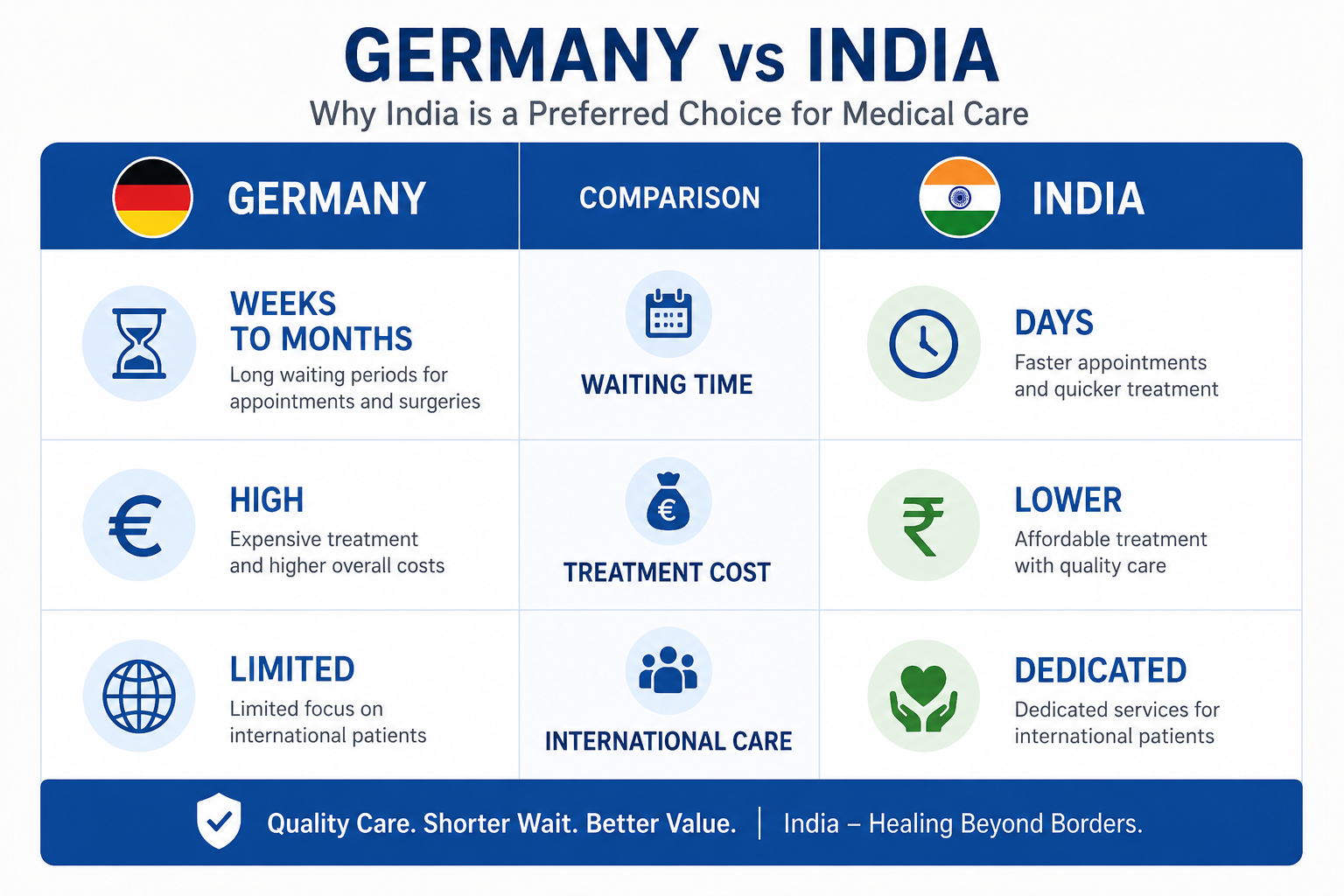
People from Germany dealing with back pain, nerve pressure, spine disorders that get worse over time, or spinal shape problems find that waiting too long makes everything harder. One big reason why the Germany to India medical tourism path is growing is that patients do not want to sit and wait for months.
|
Factor |
Germany |
India |
|
Waiting Time |
Weeks/Months |
Days |
|
Treatment Cost |
High |
Lower |
|
Surgeon Experience |
High |
High |
|
International Care |
Limited |
Dedicated Services |
India has built programmes made just for patients who arrive from other countries. Many hospitals give international patient departments, coordinators who speak English, help with travel, and other services built around people coming from far away. Surgery numbers also tell an important story. Institutions like the Indian Spine Injuries Centre have shown strong treatment numbers. One year of data showed 1,537 spine patients treated at one place, which shows how much India can handle when it comes to spine care.
India has also grown into a big name in medical tourism. Across top hospital networks in cities like Delhi NCR, Bengaluru, Chennai, and Mumbai, between 15% and 20% of hospital beds hold international patients. Many of those patients come only for bone and spine procedures. For Germans looking for affordable spine surgery abroad without dropping quality, India gives a mix of experience, easy access, and care focused on the spine.
How long recovery takes depends on what surgery was done. Microdiscectomy usually needs 2 to 6 weeks. Disc replacement takes around 4 to 8 weeks. Fusion surgery needs more time, usually between 3 and 6 months. Recovery moves through stages that include time in the hospital, rehabilitation work, going back to normal duties, and then the flight home.
For Germans, the choice usually comes down to three things: quality, how fast they can get treated, and what it costs. Both countries can do advanced spine operations. But India's top centres have brought in robotic surgery, navigation systems during the operation, neuromonitoring while the patient is on the table, and implants made to fit the patient. These tools help surgeons work with more accuracy and keep patients safe during the hard cases.

What Should German Patients Know Before the Flight to India?
Preparing for spine surgery abroad involves more than just picking a hospital and surgeon. In India, services like Racure Healthcare help German patients by smoothing out every stage of the process, making it well planned and stress-free.
- Medical visa
Germans travelling for planned surgery usually need a visa to enter India. They get the necessary docs from hospitals, which help with the application process.
- Accommodation
In cities famous for medical tourists, finding a place to stay is easy. There are lots of spots close to hospitals. This lets patients and their companions find somewhere convenient to recover.
- Weather
India's weather changes a lot depending on where you go and what time of year it is. Talking to your medical coordinator before booking travel helps you choose the right time.
- Currency
Knowing how exchange rates work and how payments are handled before arriving helps patients avoid unnecessary stress once they are there.
- Companion Travel
A lot of international patients bring a partner, family member, or someone who can help during recovery. Having someone familiar around makes a real difference.
FAQs
1. Why Does Spine Surgery in India Cost Less Than in Germany?
Spine surgery in India is cheaper than in Germany because, although they use top-notch equipment and expert surgeons, healthcare in India is less expensive overall. So, the care is still excellent, but you pay less.
2. Will My Insurance Pay for Surgery Done Abroad?
That depends on the insurance company and the plan you hold. Checking with your insurer directly before you travel is the right move.
3. Is Going to India for Spine Surgery Safe for German Patients?
Top hospitals follow international rules, getting JCI and NABH accreditation, keeping infections at bay, using high-tech stuff, and running dedicated spine programs, so it seems pretty safe.
4. Did Indian Spine Surgeons Train Outside India?
Yes, many specialists studied abroad too. They do international research, speak at medical meetings, and team up with overseas institutions. So they bring global knowledge right back home.
5. Do German Citizens Need A Medical Visa for India?
Yes. Patients who travel to India with a planned surgery usually need a medical visa before they arrive.
🫀 Need Expert Cardiac Care?
Our experienced cardiac surgeons can help you understand your options and plan the best treatment.